Salmon Gums Primary

E News - Issue 3 T1 Wk6

Principal’s Report

Hello everyone

Hello Everyone,

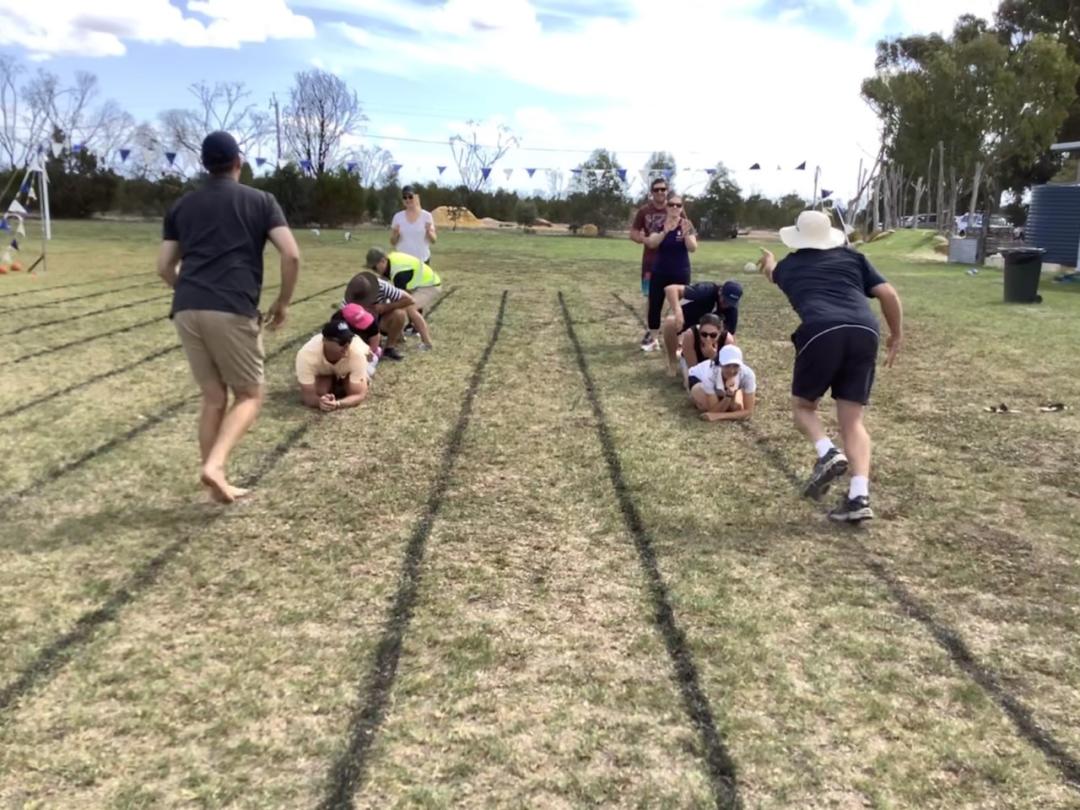
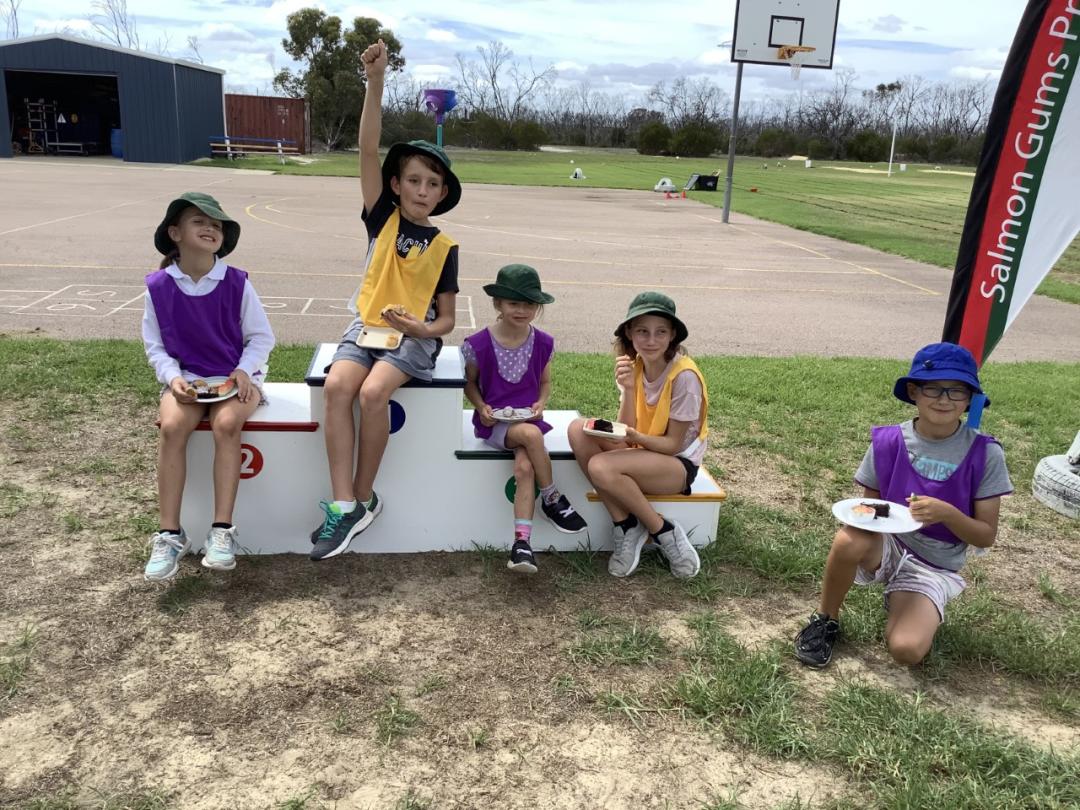
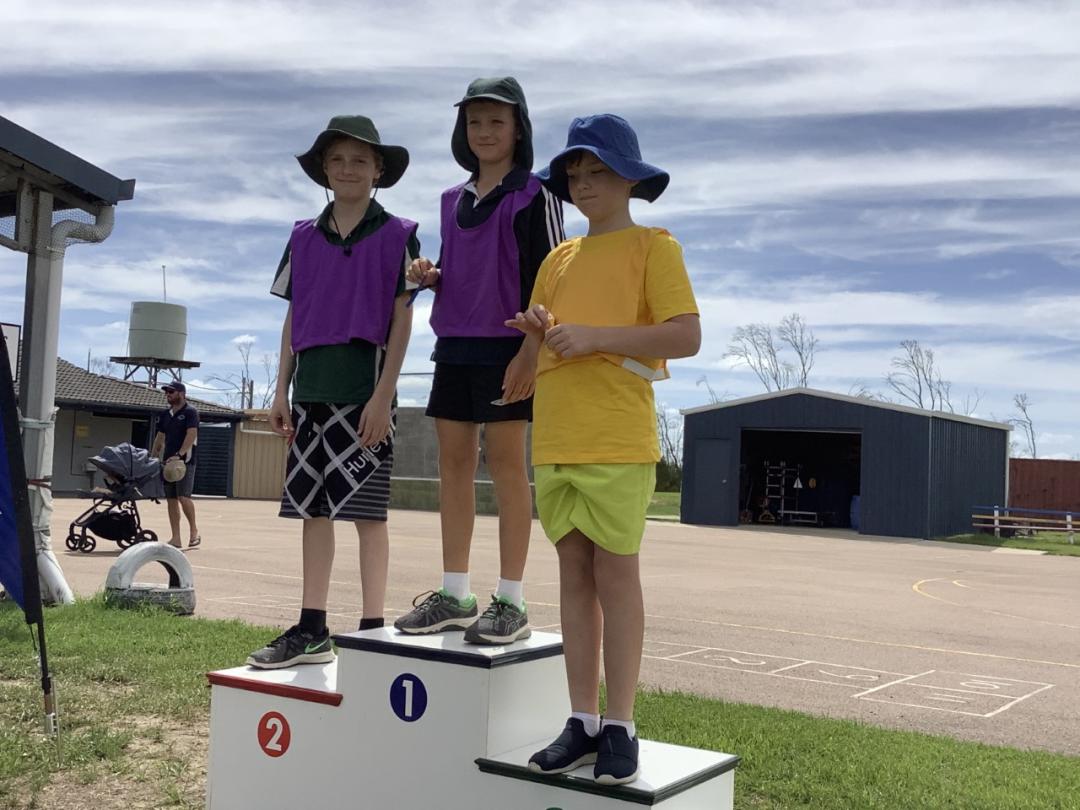
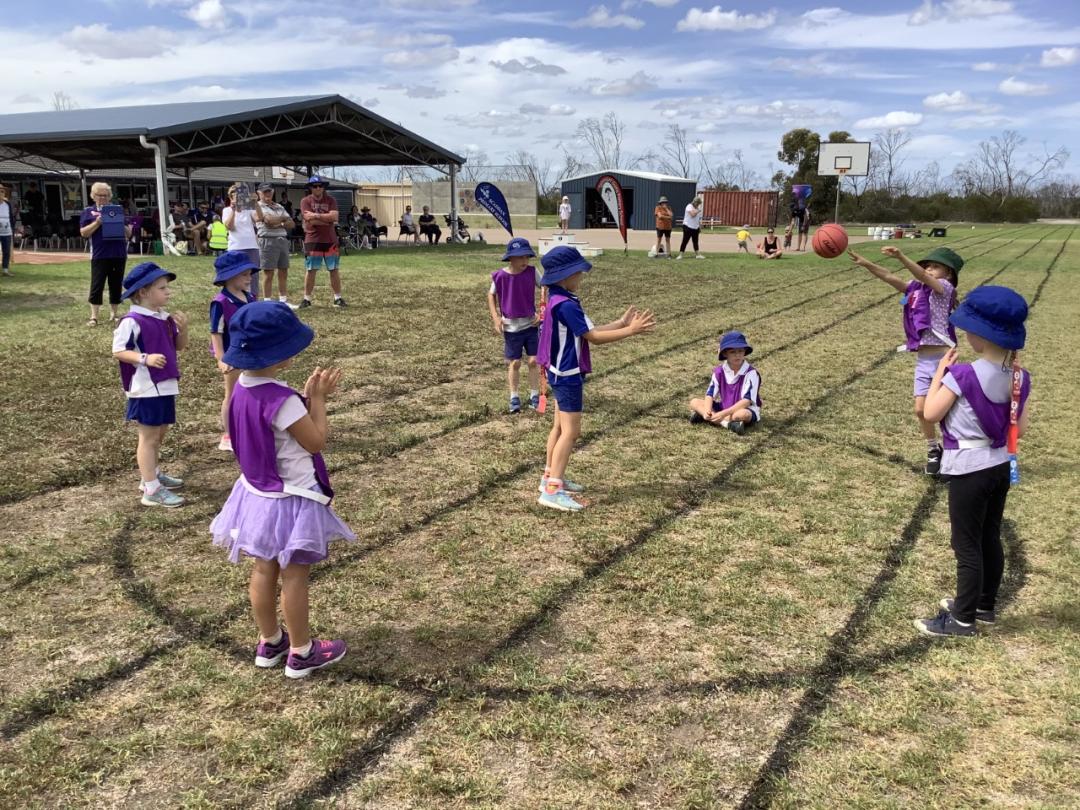
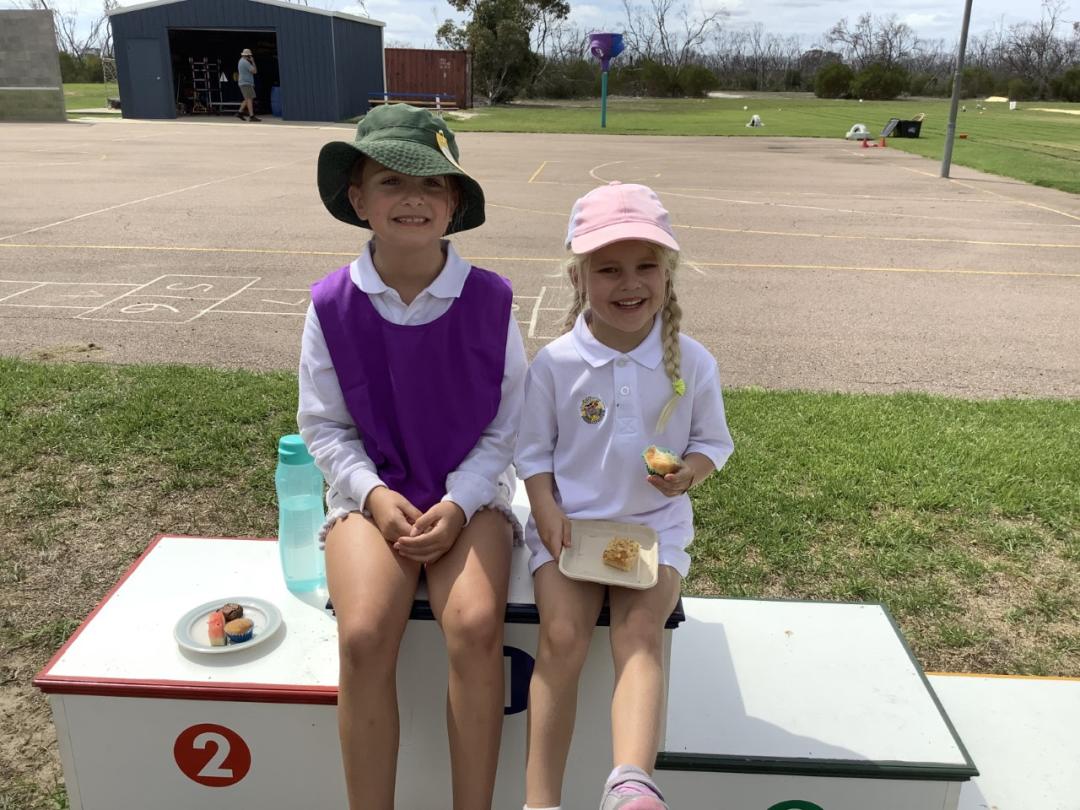
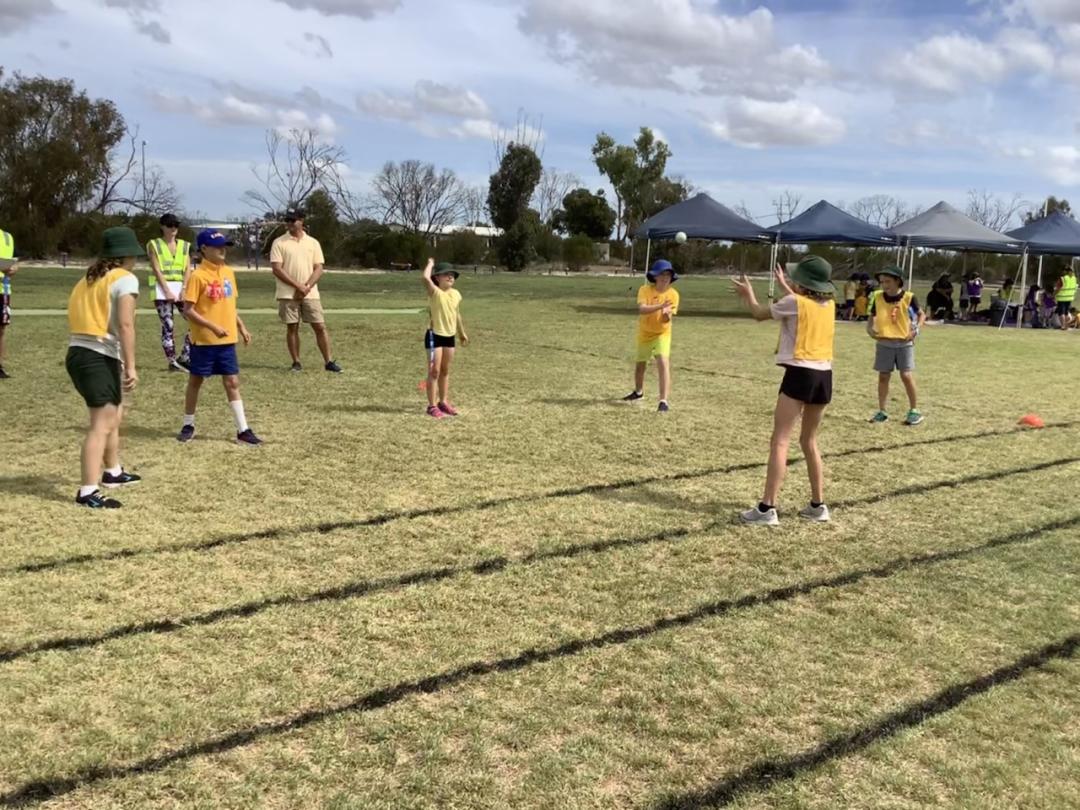
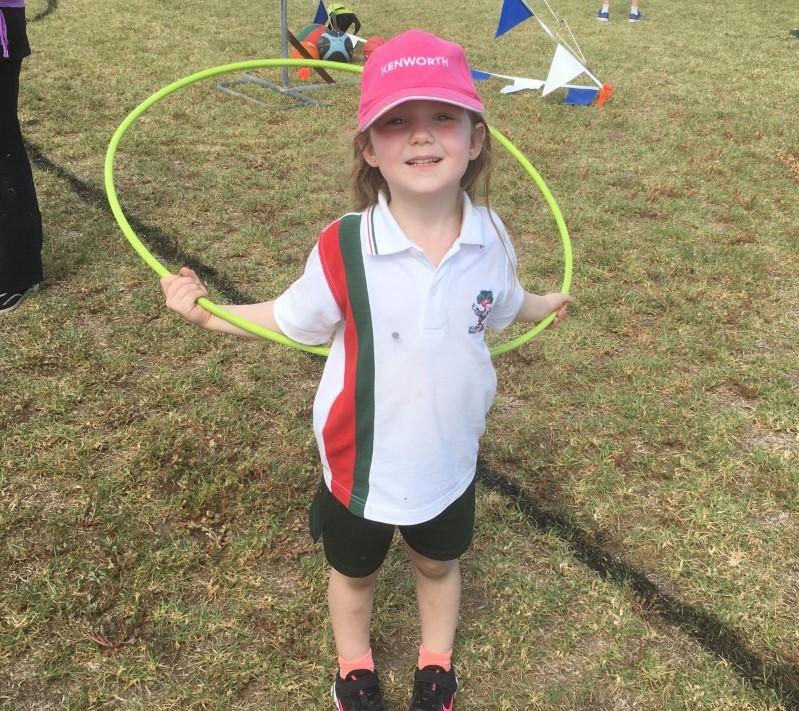
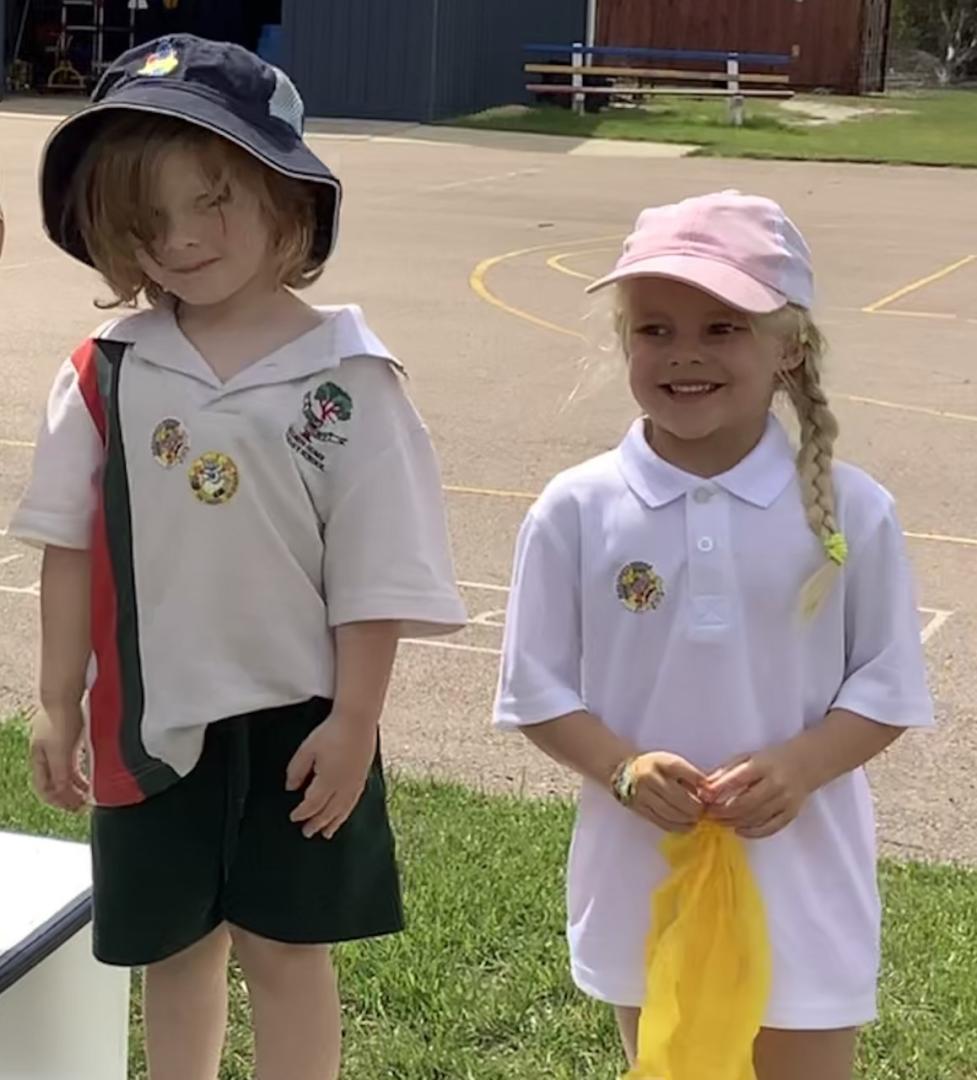
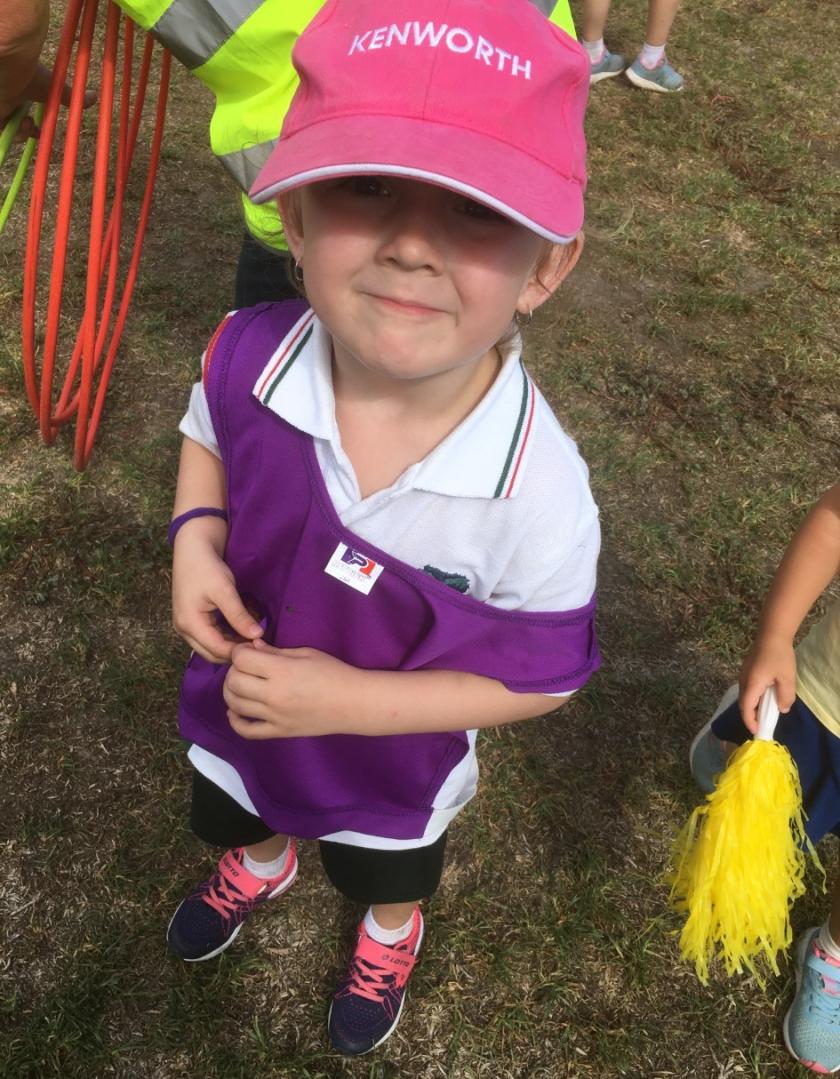
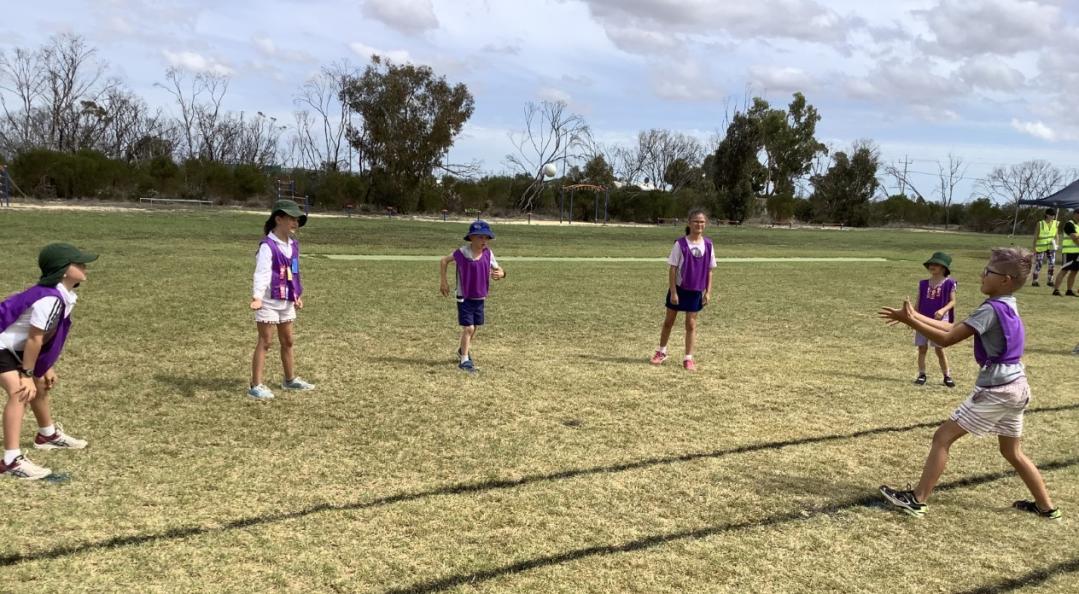
I will start this newsletter with a huge…WOW! On Tuesday we had the first North Mallee Faction Carnival. What a day we had! The weather was good, plenty of sunscreen was needed, but we had enough shade and our hats to show how SunSmart we are. Numerous events were held from the Kindy and Pre-Primary dress up race to Leader Ball, Pass Ball, throws and jumps. We saw active participation in every event, there were big smiles and personal best efforts. It was impressive to see the students challenge themselves.

The most impressive part overall though was nothing to do with winning. What I noticed was the support that the students gave to each other, even if they were on opposing teams. To see students calling out encouragements to everyone was inspiring. Well done, everyone, you really made my day. Your behaviour, as usual, was exemplary and we are very proud of you all. We must thank Scaddan for hosting us at their school. I know how much effort David Vooght-Simpson and Tracey Berry put in to make sure we all had a great day. Thank you to all staff and P&C at Scaddan PS for such great organisation. Thank you to Salmon Gums students, parents and carers for coming along to support us and for helping out. Also, to Anna and all the SG P&C for selling drinks and giving your usual support. Appreciations must go to all staff members at SGPS for all their efforts throughout the day, to Janine Doney for liaising with SPS, to the Guest family for arriving so early and providing shade and to Steph Antoniazzi (spelling correct this time, sorry, Steph) for being a place judge.

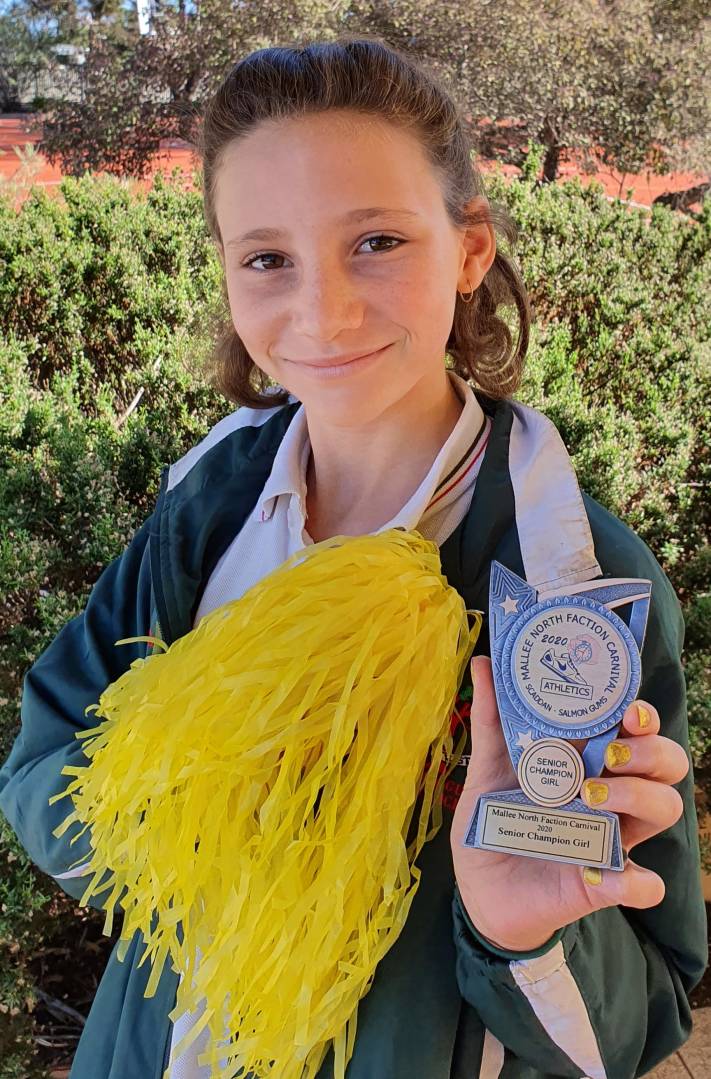
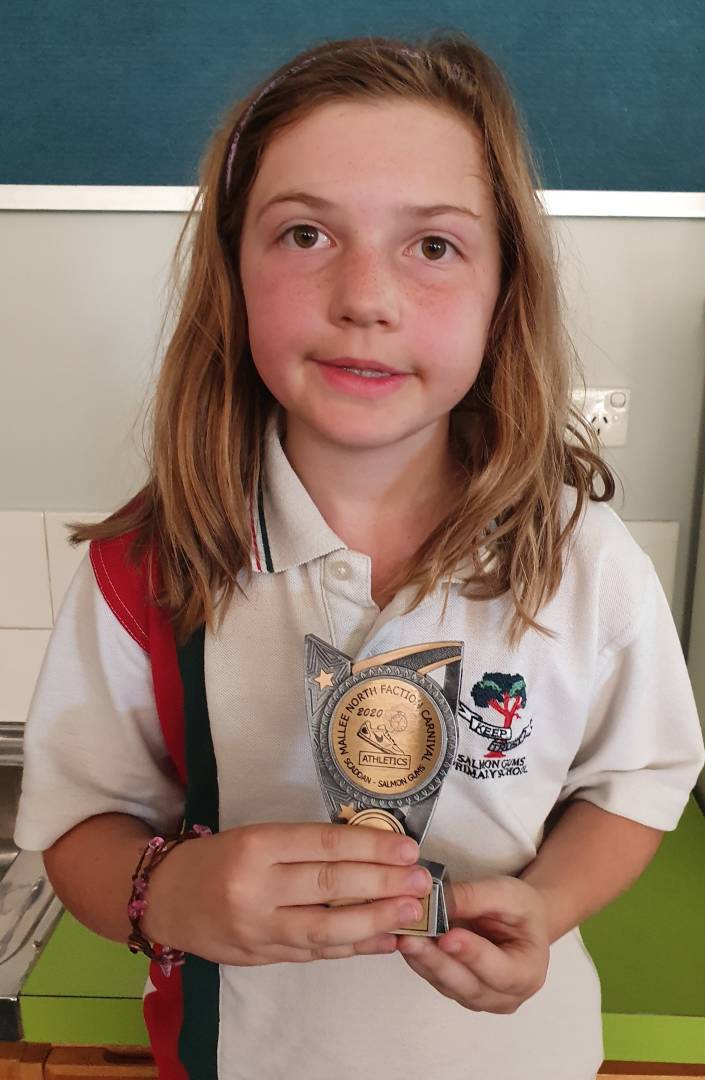
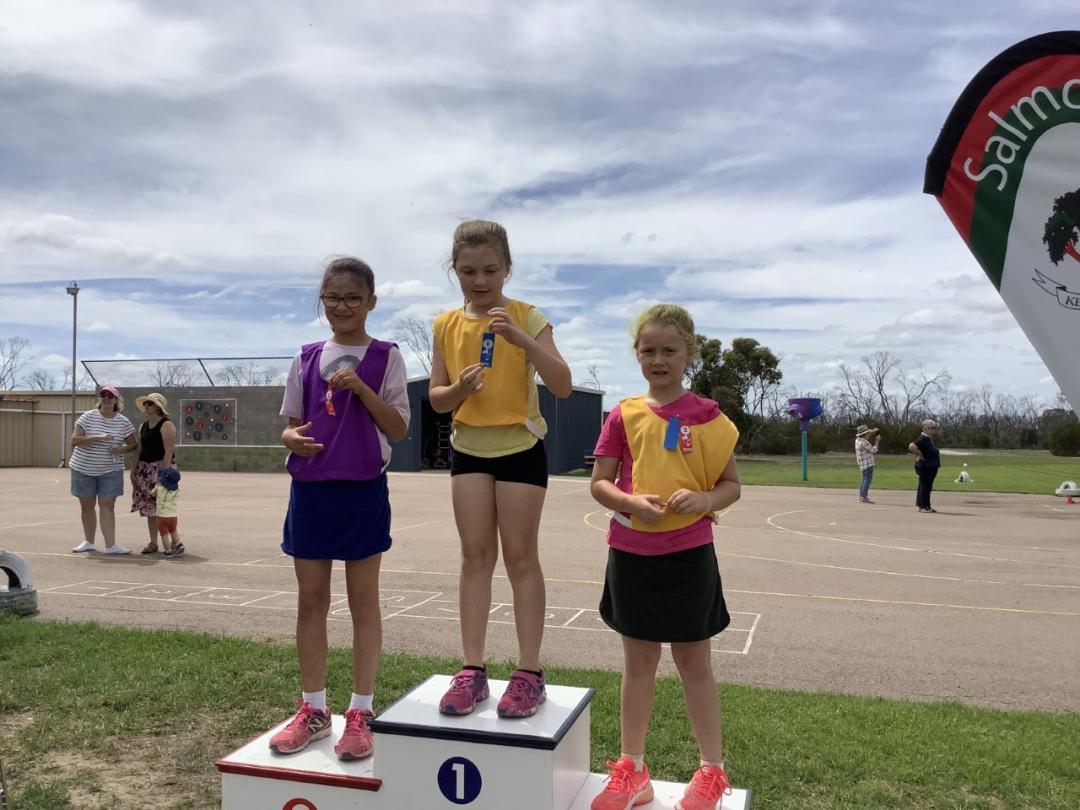
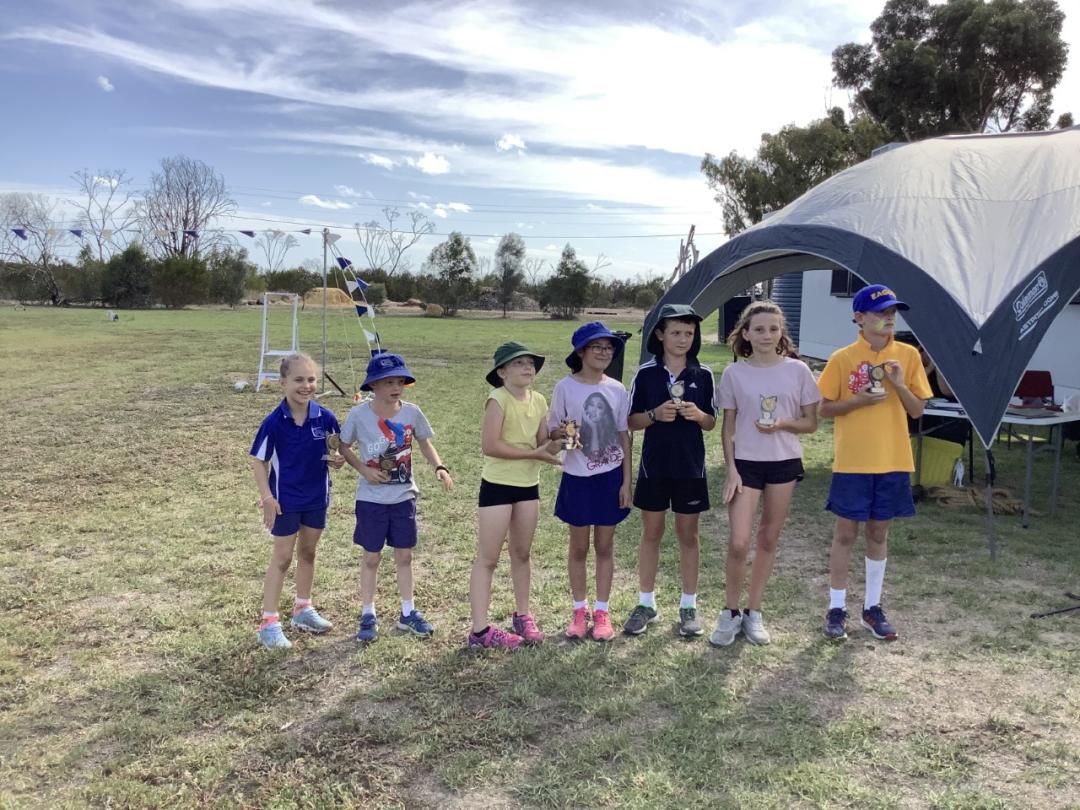
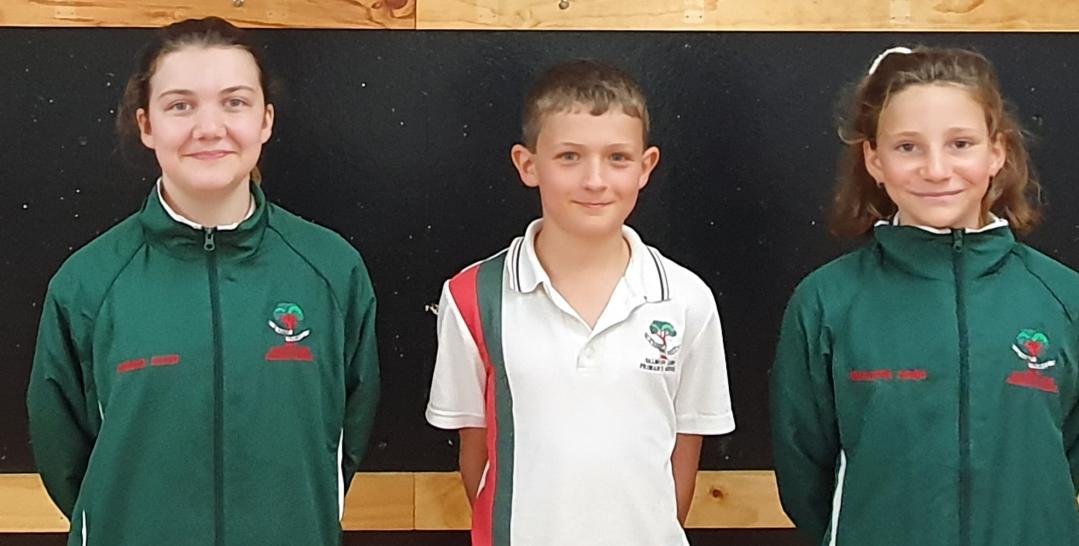
Congratulations to Charlotte Doney and Mitchell Guest who were the Senior Champions. Also to Klancie Allan who was the joint Intermediate Champion. Well done, to all our champions, you displayed great skills, fitness and humility. 

The final mention I will make is about resilience, the getting ourselves up, dusting ourselves off, bouncing back and keeping going. I saw that in abundance yesterday, in particular with those students in the 400m as it is never an easy race. 
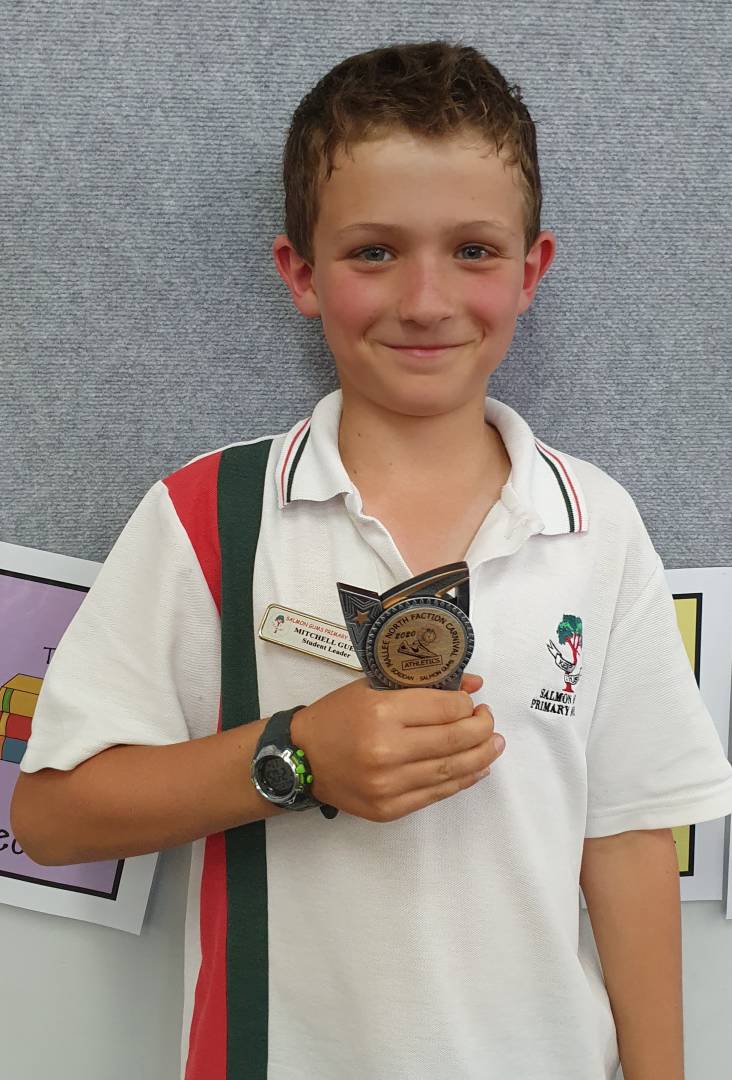
Scroll across to see our Champions of 2020

Faction Carnival 2020

Interschool Carnival

The students will have just over 2 weeks to take a breath and rest their legs before we do it all again and take part in Interschool. Scaddan PS will come up to practice on Friday 20th March and get ready for North Mallee to take on the rest of the Mallee schools! I know that this day will be just as great.

School Nurse Visit

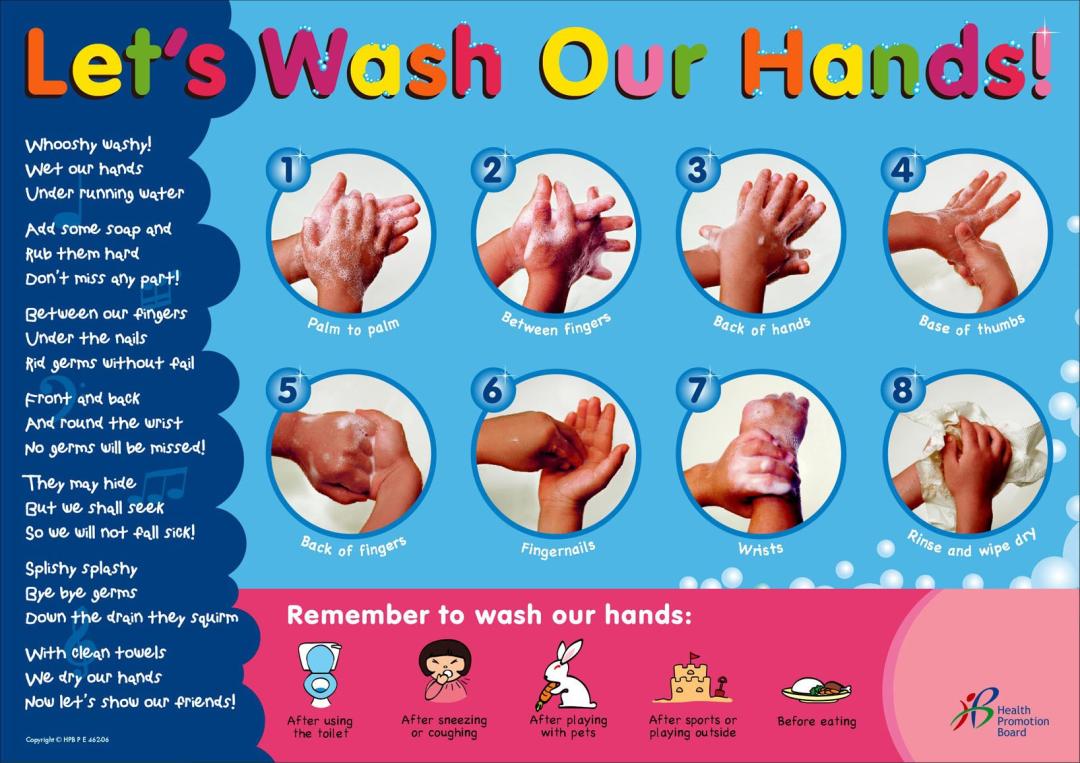
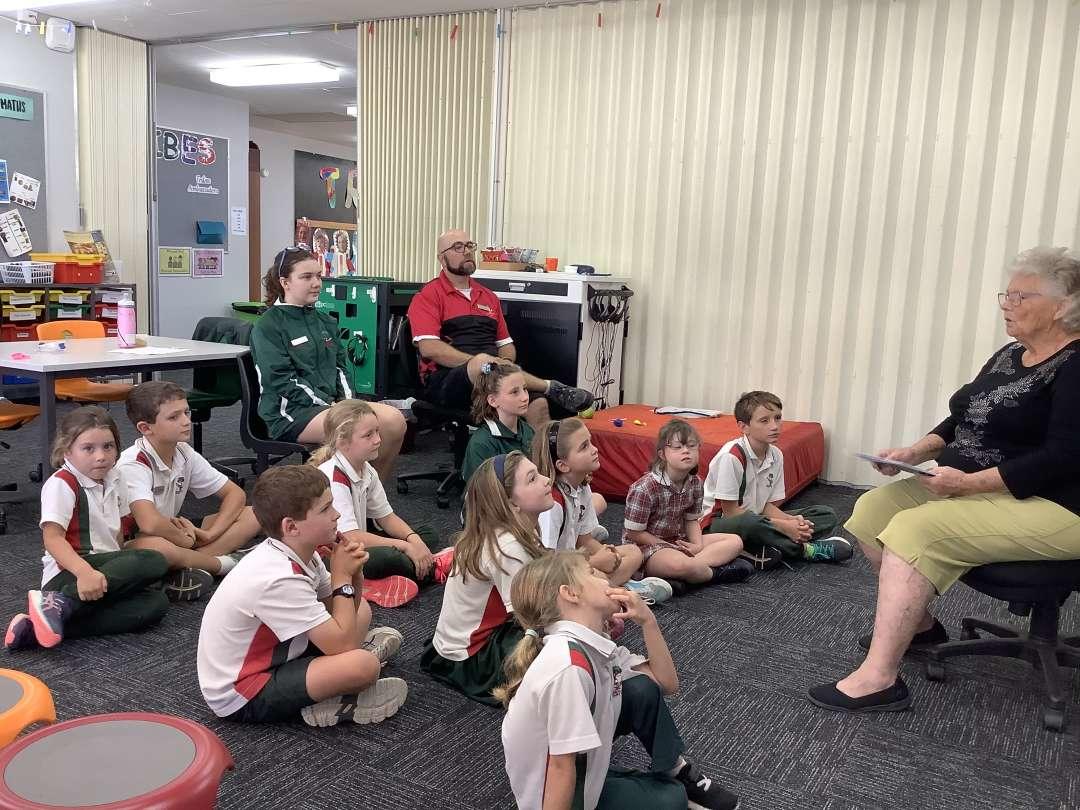
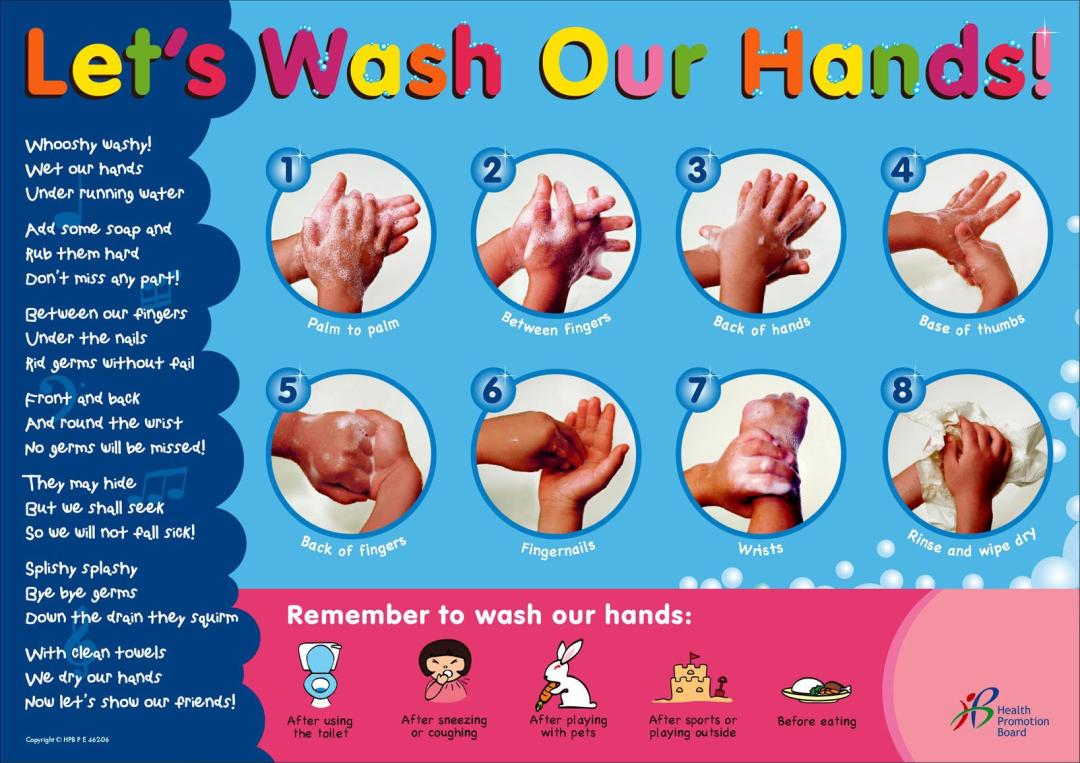
Our school nurse, Maureen Douglas, is visiting on Friday 13th March after recess to talk about and show the students how to wash their hands. We all think we know how to do this, but the majority of us probably do not take enough time to do it properly. The students will be amazingly clean on Friday! If anyone wants any more information about what the school nurse can do to support your child, please come and see us. 

Front Office

Our wonderful Mrs Janine Doney will be taking some well-deserved leave from the 18th March. Mrs Jodi Suttar will be working in the office and library for some of this time. Please be patient if the phone takes a little longer to answer the phone as the office may be unoccupied for short periods of time. We hope that Janine has a safe trip. 

History

As I have mentioned before we have been learning about change and continuity and looking at Salmon Gums. Mrs Laraine Doney kindly came in and told us about her school days and home life when she was young, about coming to Salmon Gums and her own children coming to the school. When Mrs Doney’s children started in this school, there were 167 students. A little different from 2020. The one change in all schools, I think we’d all agree was for the better, is no corporal punishment. We also learnt about the shops in the area, houses, children working from 14, and clothing. We also watched a short film on SGPS and we saw the students in the 1950s playing Pass Ball and participating in a Flag Race, so some things definitely stay the same! 

This week's wonderful work:

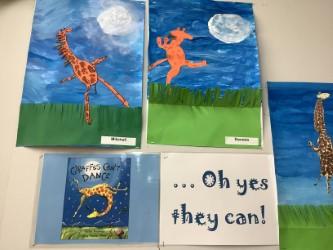
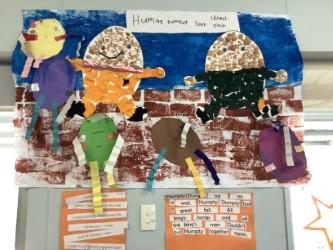
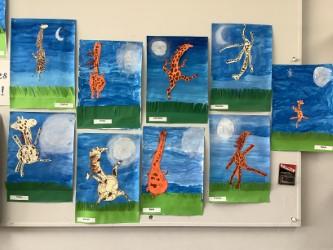
This week’s wonderful work: Giraffes Can’t Dance…YES, they can! I love the use of Literacy to inspire the art work. The same in the junior room, a range of activities sprung from a Nursery Rhyme. Great work, everyone. 

Art - Giraffes Can't Dance and Humpty Dumpty

Assembly last week

Well done to the Student Leaders for entertaining us with a quiz on Salmon Gums PS. Just an update on the age of the tree, Laraine Doney informed us it could not be as old as we thought, as it was planted closer to 100 years ago. Mitchell and I take no responsibility for the miscalculation, we blame the misinformation on the internet! ?Congratulations to the following recipients of certificates:

Kindness-Charlotte Doney 

Merit-Sophie Suttar, Daniela Antoniazzi and Emily Suttar

Congratulations on showing your Personal Best and great kindness to others.

What's happening next:

13th March- School Nurse visit

20th March- Scaddan PS visit

27th March- Interschool at Condingup PS

Student Leader Activities

Hello everyone,

Last week our school went down to Scaddan Primary to practice for the faction carnival. Then this week we had our faction carnival - the students had a lot of fun!

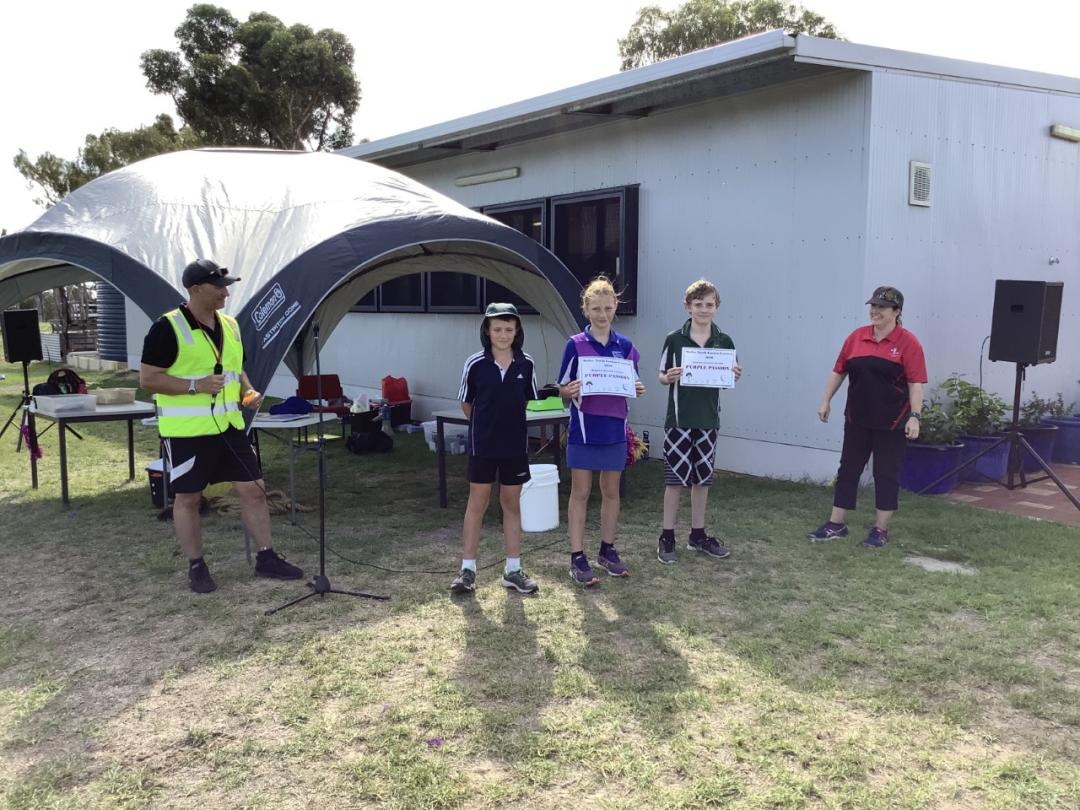
The two factions were Purple Passion and Banana Blast. And in the end Purple Passion won. But it was very close.

The events were long jump, T- ball throw, sprints, leader ball, tunnel ball, flag race, spry ball, batten relay, 400m, individual flag race, pass ball, the parent’s race, Batton relay, pass ball, leader ball, wellie boot throw.

Congratulation to the champions, Mitchell, Charlotte, and Klancie, as well as the students from Scaddan who won races and championships.

Jarrah, Charlotte and Mitchell - The Student Leaders

Reading for Life

Activity-Based Reading

Activity-based Reading is a fantastic way to incorporate hands-on learning with daily reading. As your child completes hands-on tasks, they are sharpening literacy skills as they read instructions, record outcomes, ask questions, collaborate with others, problem solve, research solutions and think creatively.  Some examples are include activity books showing craft and cooking techniques, STEM projects including making Robots and Lego, Scientific Investigation and developing Communication skills.  Book Club Issue 2 is out now, with many Activity Based projects available for purchase. We also have some in the library. 

Preventing the spread of COVID-19

There are practical and proportionate steps that can be taken to prepare in advance of COVID-19 and precautions that can be put in place to slow its transmission.

The Department of Health promotes regular and thorough hand-washing through:

•      putting alcohol based hand rub (ABHR) dispensers in prominent places around schools/workplaces and make sure these dispensers are regularly refilled;

•      displaying posters promoting hand-washing, see https://www.who.int/emergencies/diseases/novel-coronavirus-2019/advice-for-public

•      combining this with other communication measures such as offering guidance from occupational health and safety officers, briefings at meetings and information to promote hand-washing;

•      making sure that staff, contractors and students have access to places where they can wash their hands with soap and water;

•      ensuring rubbish bins are accessible; and

•      ensuring staff have access to cleaning and disinfectant agents to enable cleaning of staff facilities and work stations.

 Staff and students should:

•         wash hands with soap and running water when hands are visibly dirty;

•         wash hands with soap and water and use alcohol based hand rub (ABHR), before and after eating or prior to food preparation;

•         wash hands with soap and water after going to the toilet;

•         avoid using handkerchiefs;

•         cough and sneeze with a tissue or bent elbow, dispose of used tissues immediately, and use ABHR or soap and water;

•         avoid touching eyes, mouth and nose;

•         wash hands with soap and water or ABHR when caring for the sick;

•         if unwell, avoid contact with others;

•         make sure workplaces are clean and hygienic, surfaces (e.g. desks and tables) and objects (e.g. telephones, keyboards) need to be wiped with disinfectant regularly; and

•         wash hands or use ABHR after handling animals or animal waste.

P&C News

Footy Tipping 2020

Footy tipping is almost upon us and NOW is the time to get your entry in for the P&C Footy Tipping Comp. Prizes include First and Second prizes, as well as the Wooden Spoon for last place. Please see Jodi Suttar for more information, or contact the school on 9078 5017 during business hours. 

Student Health and Wellbeing

School Lunchbox - Basic Fruit Muffin

A fabulous way to stretch out the last of the fruit.

Download

Become a Waste Warrior

Swap - Reuse - Minimise
Download

Is the Flu Vaccine right for YOU? - ASTHMA WA

We are often asked whether the Flu Vaccine is really that important and if so, the best time to get it. If you are undecided, here are some fast facts that may help.

  • The flu is a contagious respiratory disease caused by influenza viruses. It can affect the nose, throat and lungs.  It is not the same as the common cold, and can cause a mild to severe illness, occasionally even death.  Asthma and other respiratory conditions can affect how severe your flu might be.
  • The flu vaccine is made from an inactive flu virus. It is not made from a living virus and does not cause you to ‘catch’ the flu or cause a cold.  If you are exposed to the flu virus after you have had a flu vaccine, your immune system will recognise the virus and immediately produce antibodies to fight it.
  • It can take up to two weeks to develop protection, so during this time it is still possible to contract the virus.
  • The flu vaccine is developed to protect people against a specific strain/s of influenza that is predicted to be prevalent in the season ahead. It needs to be repeated every year, prior to the winter flu season commencing. The flu vaccine will not provide you with suitable defense against all other colds nor be the cause of a head cold you may catch after having received the vaccination.
  • Sometimes a person who has been vaccinated can still get the flu. This is likely because they have either been exposed to the virus before the vaccination has taken full effect or because the virus has evolved over the season and the original strain/s that the vaccine was designed to prevent is not as effective.
  • Some people are especially vulnerable to contracting the influenza virus and suffering serious health complications from the illness. It is for these people and those who are connected to them, that we highly recommend receiving an annual flu vaccine to reduce the number of people contacting the influenza virus in the community – this is known as Herd Immunity.
  • The flu can make existing medical conditions worse, causing high fever and even pneumonia. It is easily spread by coughing, sneezing, or touching contaminated surfaces and then touching your mouth or nose. Maintaining good hand hygiene and coughing into your elbow or a tissue is essential in reducing the spread of flu and other infections. Ensure used tissues are disposed of appropriately.
  • We recommend getting your flu vaccination in Autumn, prior to the flu season, however as the flu shot becomes available, it is important to speak to your GP regarding when they think is the best time for you. For instance, if you are travelling overseas in April, it might be best for you to receive the flu vaccine before you leave the country.
  • The following groups are eligible to receive free government funded flu vaccination: Pregnant women (at any stage), children aged 6 months to less than 5 years, people 65 years and older, Aboriginal people 6 months and older, and people 6 months and older with medical conditions that put them at risk of severe flu, including:
        • Cardiac conditions
        • Chronic respiratory conditions including asthma, COPD
        • Chronic neurological conditions;
        • Immunocompromising conditions;
        • Diabetes and other metabolic disorders
        • Renal disease; chronic renal failure
        • Haematological disorders Haemoglobinopathies
        • Long-term aspirin therapy in children aged 6 months to 10 years; These children are at increased risk of Reye syndrome following influenza infection.
For further information contact 1800 ASTHMA (1800 278 462) or go to the website. 

Corona Virus Update

The WA Department of Health is monitoring the situation and we are acting on their advice as it relates to students and staff.  Updates are being provided to our school every Monday, Wednesday and Friday. 

Western Australians should remain alert, but not be alarmed. 

ATTENDANCE AT SCHOOL

Who cannot attend school

Students or staff cannot attend school and need to self-quarantine if they have:

 a)    left or transited through mainland China in the last 14 days, they must isolate themselves for 14 days from the date of leaving mainland China;

 b)    left or transited through Iran on or after 1 March, they must isolate themselves for 14 days after leaving Iran;

 c)    left or transited through the Republic of Korea, on or after 5 March, they must isolate themselves for 14 days after leaving the Republic of Korea;

 d)    left or transited through Italy in the last 14 days, they must isolate themselves for 14 days from the date of leaving Italy;

 e)    been informed by public health authorities that they have been in close contact with a confirmed case of coronavirus, they must isolate themselves for 14 days after the date of last contact with the confirmed case.

 Students or staff who have been tested for COVID-19 should follow the advice of the Department of Health and stay away from school whilst awaiting results.

 The above also applies to all parents/carers, contractors, visitors and volunteers on school sites.

Parents/carers and staff should notify their school or line manager if the student or staff member will be away for the isolation period and confirm the date in which they were last in mainland China, Iran, the Republic of Korea or Italy, or have been advised by the Department of Health to isolate.  

A medical certificate is not required to return to school. Schools should record the student absence as a Reasonable absence (code R). 

Staff who are required to isolate and are well, may work from home and not take leave.  Where a staff member is required to isolate in a WA public school due to the above, the staff member will not be charged to the schools one line budget.

Who can attend school

Students or staff who have travelled to or transited through other countries (excluding China, Iran, Republic of Korea and Italy) can attend school.  If students or staff display symptoms (see information below) they should not attend school and seek medical advice.

All returned travelers who have travelled in or transited through “higher risk” countries or a country considered to pose a “moderate risk” of transmission in the last 14 days should self-monitor for symptoms and immediately isolate themselves if they become unwell.

Higher Risk

Moderate Risk

Must isolate for 14 days prior to attending

Can attend school, but self-monitor

·         Mainland China

All other countries

·         Iran


·         Republic of Korea

·         Italy


 The most up to date list can be accessed at: https://www1.health.gov.au/internet/main/publishing.nsf/Content/ohp-covid-19-countries.htm

Will my school close if there is a confirmed staff or student case?

If a WA school has to close due to a confirmed case, it will be on advice from the WA Health Department’s Chief Health Officer.  In this situation the principal will receive direct advice and support regarding the closure process and communication from the Coronavirus support team. 

The Last Word

Stay Connected