Hello, Giinagay, Hai,
Welcome to the Week 5 newsletter
Congratulations
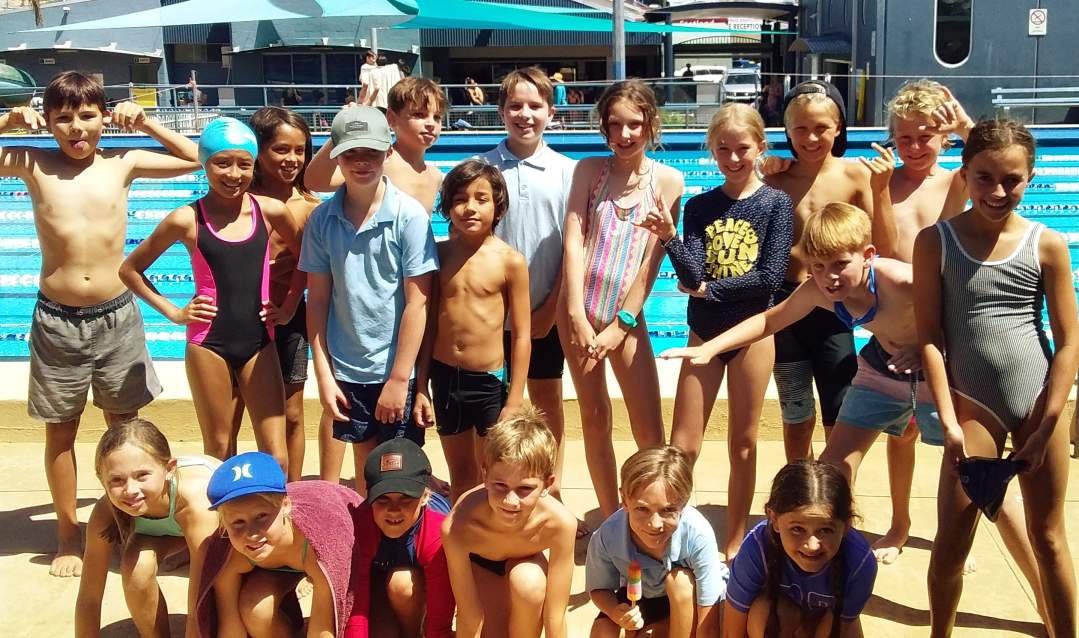
Thanks to all the students who competed in the district carnival. A big shout of appreciation for Stacy Miners and Nick Parkhouse for helping all our students to make their races. Thanks to all the parents who supported the students with transport and encouragement. We are so proud of the students who have made it to the next level: Urukhai, Ashlyn P, Reed, Noah G, Kadek, Luan, Tom S, Matilda, Senita and Sienna S.
P and C
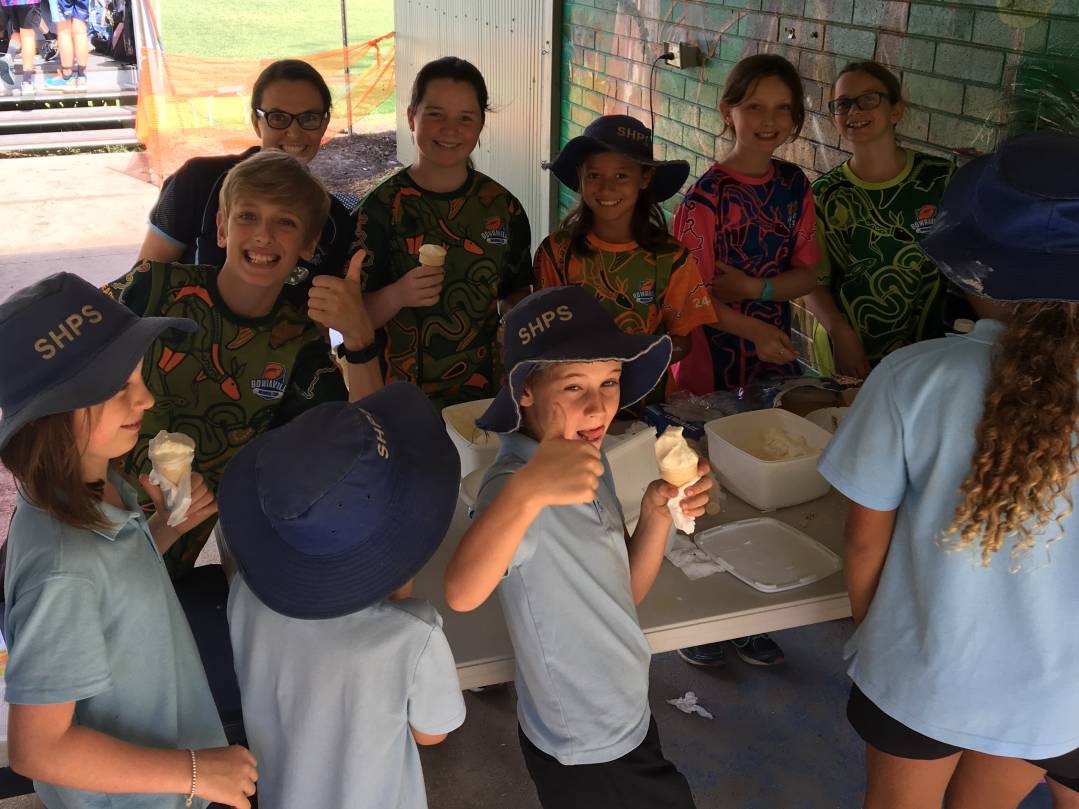
A huge thank you to Jo D, Rochelle, Jess, Jo B for doing such an outstanding job in getting the canteen ready for a delicious opening.
Thanks to Janet and Jono from Scotts Hub for the beautiful sushi rolls.
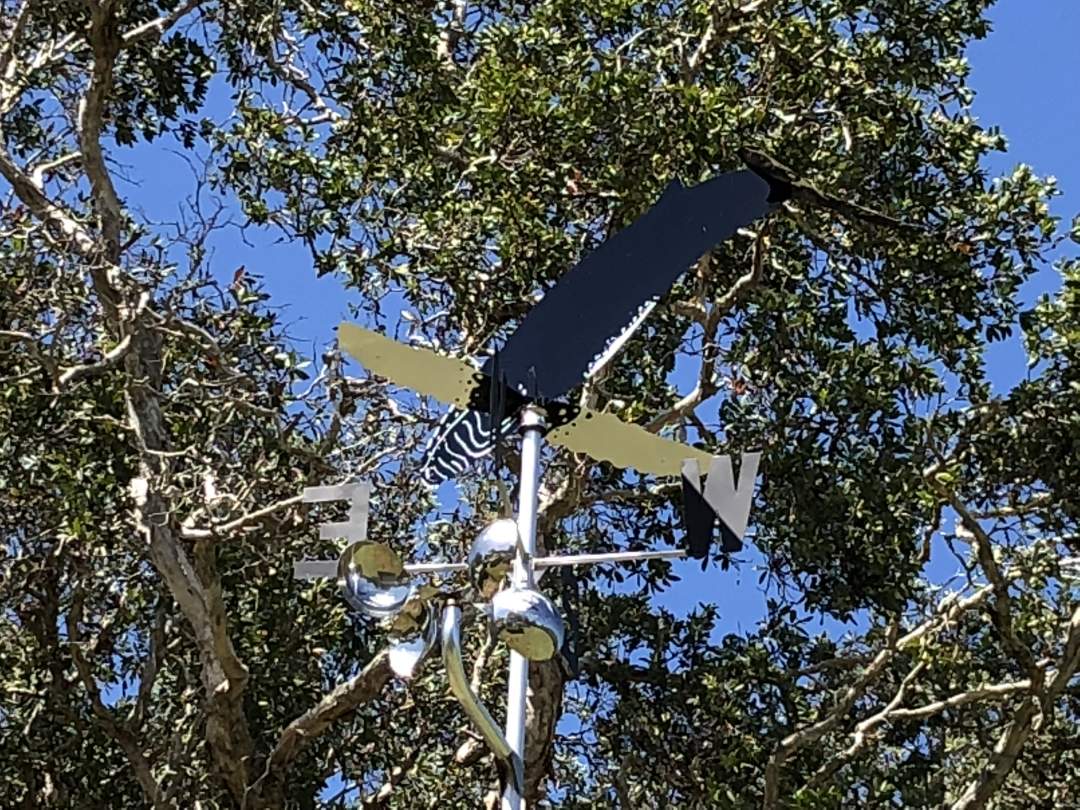
Thank you to Will Cartwright who has fixed our whale windvane after an ibis has been using it for a rest stop. Thank you to Michael Blockey for all the work in the garden.
Impact of Homework
Almost everything in our school works to improve student achievement. In order to make the most impact, we need to focus on what works best in improving student outcomes.
As a whole school we have been embedding the Visible Learning Program, where Hattie and his team have identified 250+ factors that influence student achievement and their relative effects.
The key is for teachers, school leaders, and systems to know the impact they are having on the learning lives of students and to work from this. If the impact (effect size) is less than d=0.40, or what is equivalent to one year’s growth over one year’s time, educators have to ask themselves if it is worthy of their time, energy, and resources. If it is greater than d=0.40, then they should stay the course with what they are doing.
Overall homework displays an effect size of d=0.29, which means that there is a small, positive, visible effect on student achievement, although the effect size is much higher in secondary education (d=0.64) than in primary education (d=0.15). This doesn’t mean we should automatically abolish homework in the primary years, but the evidence hints that homework as we traditionally do it in primary schools may have a low impact, and that it is worth teachers not always setting it regularly unless it is:
- Linked to the lesson
- Monitored by the teacher
- Short in duration
- Not including new learning as this may disadvantage those who most need a teacher.
- The best homework suggestion is 20 minutes of reading each day.
Thanks, yaarri yaraang, terima kasih.
Bu Gillian
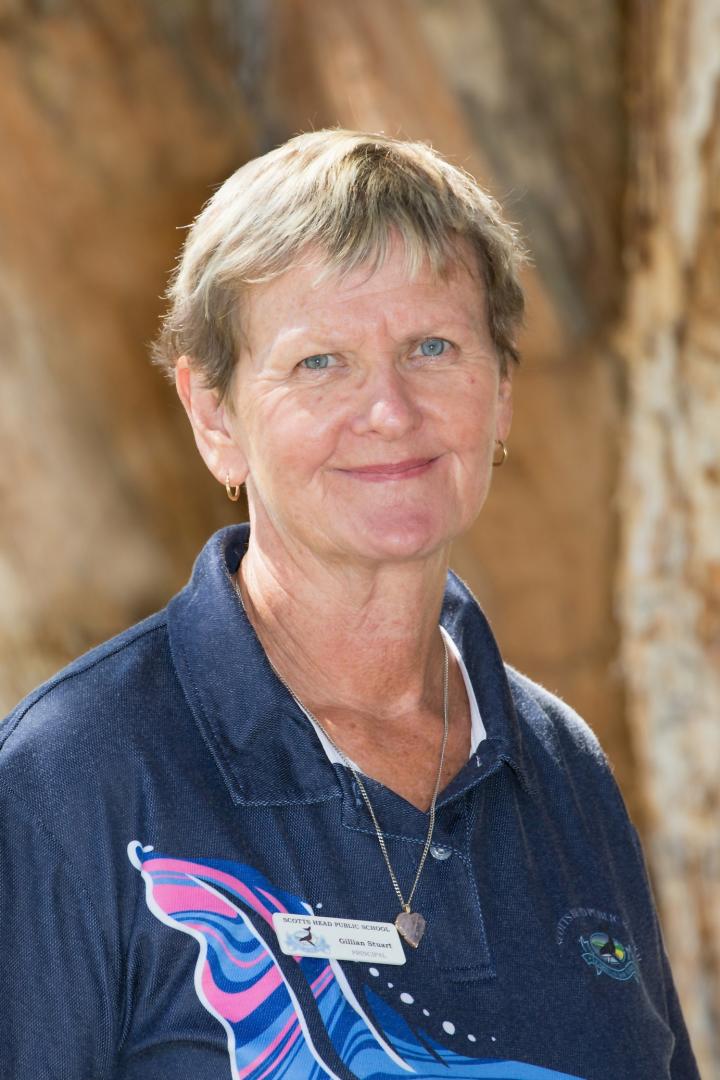
Gillian Stuart - Principal