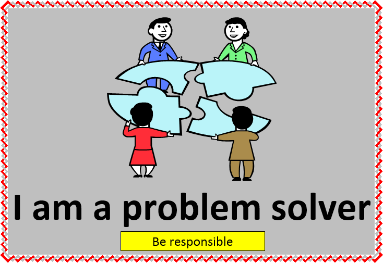
“I am a problem solver”.
Unfortunately we were not born with the knowledge of how to solve problems. It is an extremely important life skill we all have to learn. There probably isn’t one area of our lives that we don’t need to have the ability to be able to work through some problem or issue. But why do some children seem to have trouble breaking that process down? You can actually start when your child is a toddler. They are already starting to figure out this world and can get frustrated very easily. As parents, we would like for our children to be able to solve problems on their own. We are not always around to help them out. So if we are able to help them build these skills as they age, they can be successful at being able to solve any problem.
So how do you teach problem-solving skills to kids? Well, it depends on their age. As cognitive abilities and the size of the child’s challenges grow/evolve over time, so should your approach to teaching problem-solving skills.
Identify the problem. Just stating the problem out loud can make a big difference for kids who are feeling stuck. Help your child state the problem, such as, "You don't have anyone to play with at lunch time”.
Develop some possible solutions. Brainstorm possible ways to solve the problem. Help your child develop solutions if they are struggling to come up with ideas. Even a silly answer or far-fetched idea is a possible solution. The key is to help them see that with a little creativity, they can find many different potential solutions.
Identify the pros and cons of each solution. Help your child identify potential positive and negative consequences for each potential solution they identified.
Pick a solution. Once your child has evaluated the possible positive and negative outcomes, encourage them to pick a solution.
Test it out. Tell them to try a solution and see what happens. If it doesn't work out, they can always try another solution from the list that you developed in earlier discussions.
Practice Solving Problems
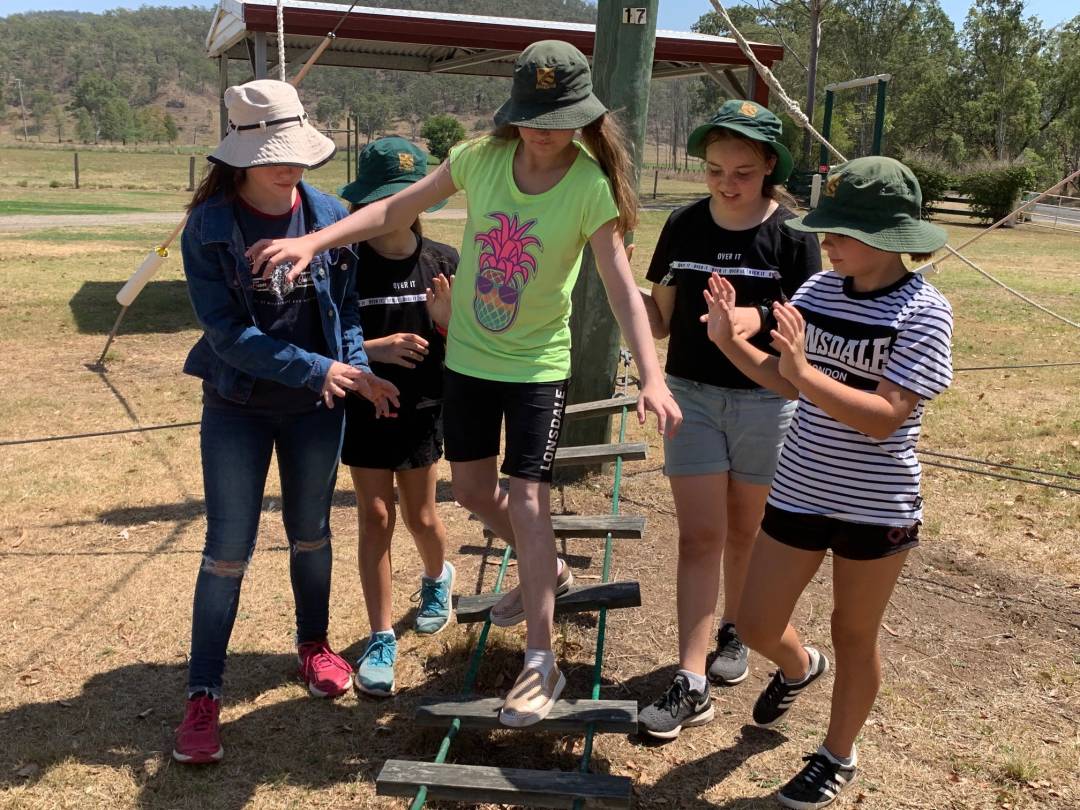
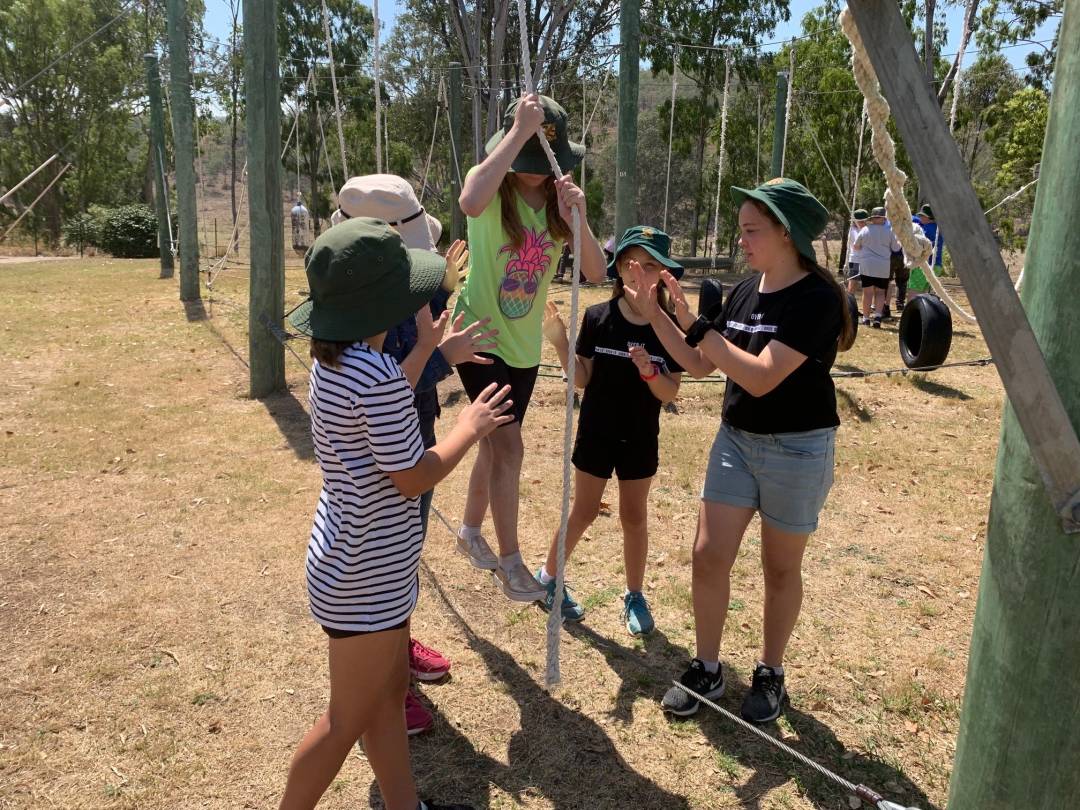
When problems arise, don’t rush to solve your child’s problems for them. Instead, help them walk through the problem-solving steps. Offer guidance when they need assistance, but encourage them to solve problems on their own.
If they are unable to come up with a solution, step in and help them think of solutions. But don't automatically tell them what to do. Sit down together and say, "You've been having difficulty getting your homework done lately. Let's problem-solve this together." You can also use a problem-solving approach to help your child become more independent. If they forgot to take their swimming bag. Discuss "What can we do to make sure this doesn't happen again?" Let them try and develop some solutions on their own. Kids often develop creative solutions. So they might say, "I'll put it in my bag the night before.” Provide plenty of praise when your child practices their problem-solving skills.
Allow for Natural Consequences.