Newsletter

23 October 2020

From the Principal

HSC Exams Begin

Welcome back to Term 4. I hope all students and families enjoyed a very restful holiday break enjoying the company of family in this COVID-19 environment.

The HSC exams began this week, 20 October, with the first of two English papers. Following a week of HSC workshops prepared by staff as well as the prior weeks and months of study and exam preparation, our girls were ready to begin, with a healthy mix of calm and nerves. 

A big “Thank you” to our dedicated staff who prepared the workshops last week, the marking of extra essays and work completed by the students and their constant support of the girls. 

Please keep our Year 12s in your prayers as their exams continue over the coming weeks. 

Further Improvements

Over the holiday period, we continued our improvement to College facilities:

  • PA System upgrade
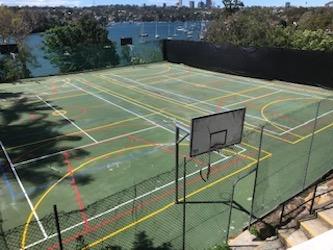
  • Sports Courts - Cleaned and Lines remarked
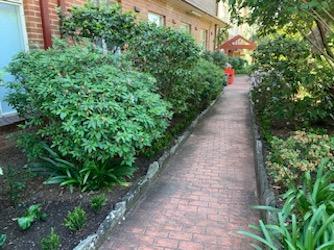
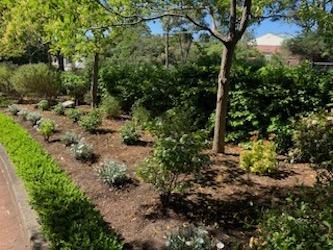
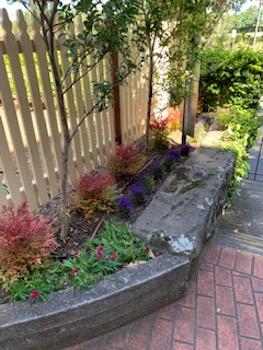
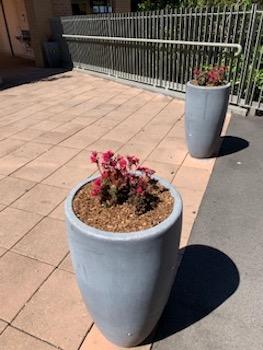
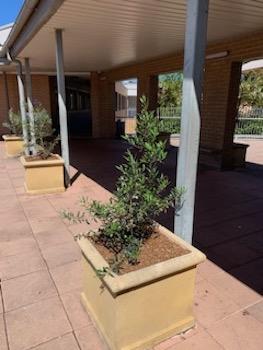
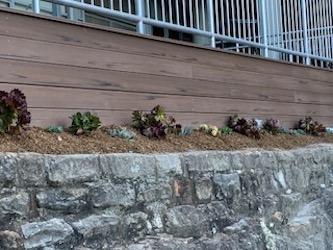
  • Garden Makeover of the College front gardens; new plants on Cerdon Plaza and The Deck near Room 108
  • Visual Arts kiln repaired
  • Science Prep Room - Installation of new chemical cabinet with outside fume venting installed.


The photos below show some of these works. These improvements continue to ensure that Marist Sisters’ College maintains excellent teaching and learning facilities.

Marist Sisters' Balay Banaag Philippines Project

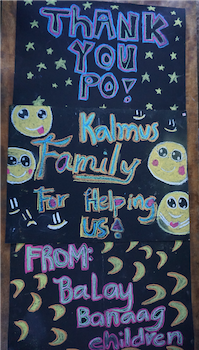
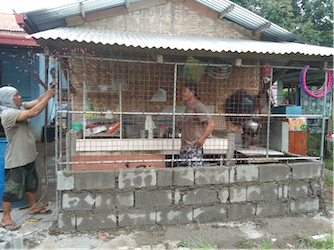
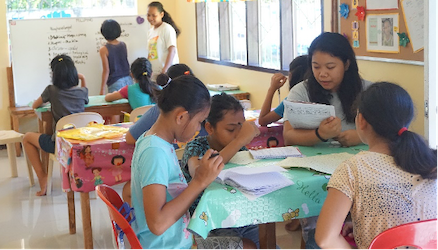
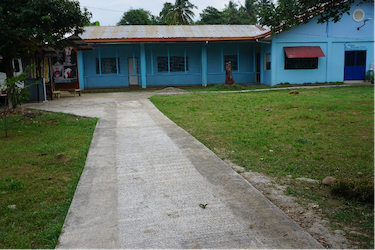
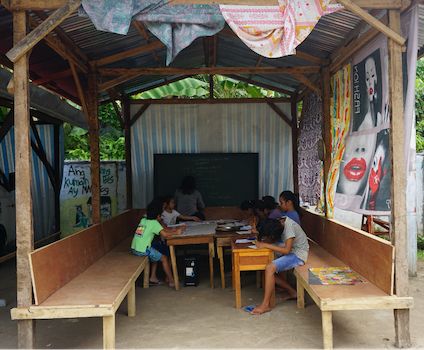
Over the holiday period I received an email and photos from Sr Lilibeth who oversees the Marist Sisters' Balay Banaag Philippines Project. This project cares for vulnerable girls aged between 6 to 18 years old who are the daughters of women in prostitution. Last term, following our fundraiser in memory of Mrs Louise Kalmus, we sent funds to assist with improvements for the centre.

These funds have assisted in improvements to the food preparation and cooking areas, the laundry, new guttering, new pathway and upgrades to the areas used for teaching. It is great to see the smiling faces of the girls and staff and to know that our funds are really making a difference.

Our first two weeks back have been very full already. MSCW is a lively campus community. It is great to see students so happy and engaged in their learning following a restful break. I look forward to this term with a mix of face-to-face events as well as some further virtual opportunities. Our positive learnings from having to do things differently this year are beginning to influence our planning for 2021.


Dr Anne Ireland, Principal

This article on College life meets The Archbishop's Charter for Catholic Schools - Charter #1, #2, #8 

From the Assistant Principal

Marist Service and Gala Day

Welcome back to Term 4! While it may now seem like we have adjusted to a new sense of normal, our College, despite the regulations, continues to thrive and continues to provide opportunities for our girls to get involved.

As stated at the last Principal’s Assembly, the Marist Service program has been extended to include a category for volunteering to care for our College environment. Already, girls have taken up the offer to complete Marist Service using this option demonstrating their ongoing commitment to being stewards of creation. If any girl wishes to gain Marist Service hours, they can join me out on the playground to assist in caring for our environment. 

Gala Day preparation is also a means of getting involved and sharing your gifts. Again, our planning for Gala Day is another example of our College thinking outside the box and providing opportunities to be involved. However, ongoing safety measures remain in place this term in order to minimise the risk of COVID-19 transmission. Therefore, if a student shows any flu-like symptoms (cough, shortness of breath, sore throat, fever or runny nose) they should not participate in the activity. Once again, we all need to be flexible as we prepare for such a great day. 

Summer Uniform

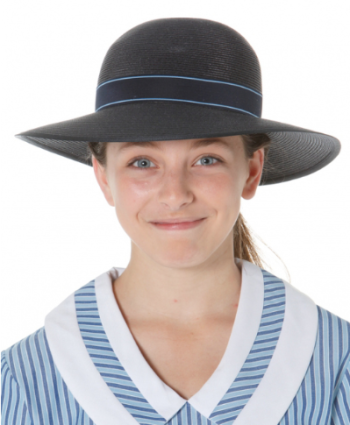
A reminder that the College hat must be worn when travelling to and from school. 

Years 7-10

  • MSCW dress - length of dress is that the bottom of the hem touches the ground when the student is kneeling
  • Short navy socks
  • MSCW blazer 
  • MSCW hat
  • Shoes are to be black, lace up and be polished

Seniors

  • MSCW kilt - length of kilt is that the bottom of the hem touches the ground when the student is kneeling
  • MSCW short sleeved white shirt
  • MSCW blazer
  • MSCW College badge
  • MSCW short navy socks
  • MSCW hat 

Please note that the Clothing Pool has is now available on FlexiSchools. 

Student ID Cards

A reminder also that students must carry their ID cards on them at all times. This is very important when you are arriving late or leaving early - they allow students to use the COMPASS kiosk at the General Administration Office.

Students need their ID cards for examinations. 

Inner West Bus Service Changes

Almost 1,000 additional weekly bus services will be introduced in the Inner West from Sunday 25 October, including faster services on Parramatta Road as well as extra services on key routes. There will also be changes to some bus routes, route numbers, and timetable adjustments to reflect demand and improve reliability.

Adjustments will be made to many school bus services, with changes to timetables and some having changes to their route.  Some buses will also operate earlier than they currently do in order to improve their reliability.

Trip Planning

Parents and students are encouraged to plan their trip to see if the timetable changes will impact the way that they currently travel to and from school.  More information, including timetables, maps, trip planning and school service details is available at transportnsw.info, or by downloading real-time travel apps onto a smartphone or tablet.  School service information can also be viewed on the Transit Systems website – www.transitsystems.com.au .

Student Opal Card Reminder

It is a condition of travel that all students tap on with their Student Opal card every time they board the bus, and tap off when they alight.  This allows Transport for NSW and bus operators to assess the patronage of bus services. This is particularly useful during our COVID times.  

Road Safety

Please take a moment to review this information about road safety.

https://roadsafety.transport.nsw.gov.au/downloads/keeping-our-kids-safe-around-schools.pdf

Ms Julie Bjazevich, Acting Assistant Principal

This article on College life meets The Archbishop's Charter for Catholic Schools - Charter #8

From the Religious Education Coordinator

October, the Month of the Rosary

The memorial of Our Lady of the Rosary is 7 October and the month of October has traditionally been dedicated as the month of the Rosary. The Rosary is a beautiful prayer and could be referred to as a ‘living’ prayer form. Why? Because it continues to develop over time. The use of knotted rope to count prayers is an ancient practice and is even found in non-Christian religions. The Christian recitation of 150 prayers mirrored the monastic prayer of the Liturgy of the Hours in which monks prayed all 150 psalms each day. The structure of the Rosary as we know it today developed significantly from the 12th to the 14th centuries. The Fatima Prayer was added in the early 20th century and in 2002 Pope John Paull II added the Luminous Mysteries, a set of five reflections on the life of Jesus.  For the remainder of October pray the Rosary and be open to the graces of God in our world.

Survey of Religious Attitudes and Practices

In 2014, 2016 and 2018, students from across the Archdiocese of Sydney (Years 5, 7, 9 & 11) participated in the Survey of Religious Attitudes and Practices. Completed by approximately 18,000 students, the survey data provided information of young people’s perception of religion, their personal spirituality and their engagement in matters which are faith-based. The data has also helped Sydney Catholic Schools shape their approach to youth ministry to engage young people in the life of the Church. All students in Years 7, 9 and 11 will complete the survey anonymously within the next week.

Years 8 and 10 RE Tests

Students in Years 8 and 10 sat the Sydney Catholic Schools Religious Education Tests in Week 1. The results of the tests will be sent to the College at the end of the Term.


Miss Mary Kleist, Religious Education Coordinator

This article on College life meets The Archbishop's Charter for Catholic Schools - Charter #1, #2, #8 & #11

From the Leader of Learning & Curriculum

I would like to welcome back students to their final term of learning for 2020. I encourage all students to continue to take advantage of the opportunities to explore their learning in areas of particular interest to them in their final term of 2020.

This term marks the commencement of the HSC Examinations for our Year 12 students. It also marks the commencement of the HSC Courses for the Class of 2021. These are important points in the education of these students and I wish both groups well in their endeavours. As our Year 11 Students begin to engage in their final four terms of their learning at the College, I encourage them to plan their study time and take a strategic approach to assessment preparation. 

As the College is accommodating the HSC demands stipulated by NESA, I thank the students of Years 7-11 who have actively and effectively engaged in their remote learning this week. The staff at the College have and will continue to upload lesson plans in COMPASS and lesson content in Google Classroom during this time. It is important that students continue to engage in these learning platforms at all times.

Year 9 and 10 Examinations

This week also saw the commencement of the Stage 5 examinations for selected subjects as part of the assessment program. Year 10 have demonstrated maturity in meeting the expectations of examinations and have effectively  organised and planned their own study to ensure they could complete these tasks to the best of their ability.

On Monday Week 3, Year 9 will commence their examinations in the same manner. As noted earlier in the Newsletter, students require their ID cards for examinations.

Class of 2020 'Well Done and Thank You Morning Tea'

All of the Class of 2020 are invited to morning tea to be held at the College on Friday 18 December where they will receive their College references. This is also the opportunity to complete the slip informing the College of their ATAR. ATARs are issued by UAC directly to students and the College relies on students sharing this information for College records and so students can be recognised at the High Achievers Assembly in February 2021. ATARs are collected discreetly and used only for the stated purpose.


Mrs Melinda Alvarez, Leader of Learning and Curriculum

This article on College life meets The Archbishop's Charter for Catholic Schools - Charter #2 & #8

From the Leader of Wellbeing

Adolescents, particularly during secondary school years, are often faced with friendship ‘issues’ that tend to dominate their thinking and lives as they try to navigate their way through this stage of development. Often, conflict and confusion arises within a particular group when someone feels insecure and that they don’t belong anymore. Moving in and out of friendship groups as a young child and adolescent is considered quite normal behaviour even when at times it can present as challenging and difficult in finding their ‘people’ and place in the world. Things tend to settle however, from the age of 15 years and above, as friendships form more naturally at that point. 

In Steve Bidulph’s book, 10 Things Girls Need Most, he quotes another psychologist, Michael Thompson, who has identified the key skills needed to form and maintain a healthy friendship:

  • A positive view of friendship (seeing it as valuable and fun)
  • Sharing and taking turns (essential with most conversations, games and activities)
  • Feeling for others (being unselfish and caring about the welfare of her friends)
  • Regulating aggression (not lashing out when we are angry, frustrated or sad)
  • Apologising when appropriate and meaning it (genuinely being willing to admit mistakes)
  • Reading emotions (knowing what others are going through based on their looks and behaviour)
  • Trust with caution (being able to trust, but not being too gullible).


ReachOut also provides a range of wonderful resources and ‘hands on’ strategies for both students and parents. Be sure to check out this site as an opportunity to understand adolescent friendships today and how best to support concerns or help regulate your child's emotions when feeling upset with friendship discourse. 

Our College Counsellor, Becky Salter, writes more below.

Student Engagement

Best Outcomes are evident when students are emotionally, behaviourally and intellectually engaged at school.

Student engagement refers to the extent to which students identify with and value schooling outcomes, and participate in academic and non-academic school activities (Willms, 2003). Increased engagement positively impacts student outcomes and is reflected in students’ positive relationships with their teachers and peers, improved academic performance and school completion, and higher levels of attendance and participation in school activities.

Whilst 2020 has provided a range of challenges within our school environment, the College is committed to providing opportunities for our students to foster a sense of belonging and connection through various wellbeing initiatives in Year group activities. Even with COVID-19 restrictions, our aim has been to persevere with Gala Day, but through a creative lens to ensure that it forges ahead, with just as much vitality, overwhelming enthusiasm, together with various opportunities of FUN!! This spectacular event emulates the Marist qualities that we try to capture in promoting positive sisterly relationships through collaboration, creativity and student leadership within each House spirit. “Schools that effectively collaborate continue to build capacity across their community and ultimately promote both emotional wellbeing in conjunction with learning outcomes” (Roffey, 2018).  

Mrs Sia Mastro, Leader of Wellbeing

This article on College life meets The Archbishop's Charter for Catholic Schools - Charter #6 & #8 

A Word from the Counsellor

Friendship Issues

I have discussed previously how to manage and start conversions with your daughters when they have fallouts in current friendship groups, but what about if your child tells you they have no friends, or you feel their friendships are not true friendships? It is a difficult situation as you do not want to interfere too early but you also struggle to witness your child feeling lonely or without friends. Surely there is something you can do to fix it for them? After all we know the importance of friendships in creating a sense of belonging and community, but also provides important learning to start, maintain and end/change friendships, which is a lifelong skill they will need to learn.

Let’s firstly identify who is more likely to struggle making friends.

There is an article that I will draw upon; Friendship difficulties by Murray Evely and Zoe Ganim 2018, where an observation is made that despite a schools best endeavours to forster acceptance, kindness and compassion in their students, that there are some types of children that tend to be more likely to struggle with friendships; including those with learning difficulties or intellectually challenged, those who experience anxiety and depression, those who are more openly hurtful, dishonest, aggressive, defensive or perceived as “different” from the majority, including those with a high leaning toward perfectionism. Whilst some young people are confident and engage effortlessly from an early age, others are more reserved, shy, or withdrawn which can make finding friends all the more difficult. These children can also be kind, loving, quirky, intelligent, compassionate, and caring...but still they tend to find it more difficult than others.


The social skills that young people tend to value include:

  • Being able to handle disagreements in a mature way, (not gossiping or spreading rumours) this includes not talking badly about others’ experiences, especially when it is hearsay.
  • Having high levels of self-confidence - not being too needy in relationships, understanding personal boundaries
  • Ability to interpret facial expressions and body language
  • Ability to connect emotionally
  • Being warm and friendly, curious in nature
  • Having a sense of humour combined with empathy and truthfulness
  • Being a good listener without judgement and keeping confidences
  • Supporting friends through tough times
  • Having and finding common interests together
  • Identifying the right “tribe” where there are common interests and it is two way
  • Acceptance and inclusion

No one wants their child to go through their school life feeling lonely or like an outcast - the importance for parents is to know when to intervene and what is the best way. The main point is don’t jump in too early, discuss friendship concerns with your daughter, without trying to solve their issues, simply a listening ear can work wonders. Provide perspective without minimising their feelings. You may point out they feel lonely at school but that you notice they engage well with the family, the cousins, and other friends outside of school.

You can be curious with your child “what do you think is holding you back in school social situations?” Ask if your child would like to learn more about specific social skills such as boundary setting, identifying feelings, increasing mood levels, so as to enable them to become more emotionally available and mature. Your child cannot learn the coping skills required when parents unintentionally collude with them by letting them stay home when they are having friendship difficulties. The social skills they learn from attending school will hold them in good stead for when they continue with studies outside of school, in the workplace or personal relationships. It may not be easy but they will survive it with your support.

As a parent you can help your child who struggles with friends by:

  • Being available to listen and do activities with your daughter, help develop their confidence and self-esteem, as young people with low self-esteem seem to be drawn toward unhealthy friendships...your child needs to know you genuinely like them for who they are, even if they are different to you or more difficult in nature, they are simply doing their best. Your role as parent is to continue to model appropriate ways of relating, being supportive of their school, hopeful of them making friends, encouraging family and outside of school connections.

  • Teach your children to ask questions and listen to the responses of others without judgement or interjection, you can also practice giving each other genuine compliments...simply around the dinner table is fine!

  • Relate and validate what your daughter is feeling, just because you didn’t have this issue doesn’t mean others don’t. Whilst you may draw energy from friends, your daughter may not need as much social interaction, sometimes young people know more about the help that they need than we give credit for - remember to listen to your child's perspective.

  • Empathise with your children when they feel they have no friends or others are being mean... but engage in conversations on how they might improve their levels of happiness themselves ie keep up with current interests, listening to music, having a pet, asking others about themselves, smiling more, looking out for other students sitting on their own and starting a conversation. When your child wants to discuss how mean the others are at school, actively ask what they practiced today to engage one other student...ie did they smile at someone or ask someone in the tutor group what they did on the weekend, was their teacher particularly engaging in class today?

  • Focus on your child’s strengths...sometimes parents continue asking about how their child’s day was with friends when they already know they are struggling!! When young people are struggling with friends and parents ask about it as soon as they see them, it's like rubbing salt into the wound.  Instead, ask your child about a hobby or interest they have or what they dreamt about today, or what they would like to do with you on the weekend. Get your child to show what they watch on Youtube or the latest tik toks - engage in their world, as you are their best teacher and they learn from you primarily, which is more important if they struggle with the social skills needed to form and maintain friendships. Focus on what is going well in the young person's life.

  • Offer opportunities to engage in other interests they enjoy to create connectedness and social experiences for example; music, art, scouts, dance, church groups, sport clubs etc...your child will benefit from friendships outside of school as much as in school, encourage her to focus on these if school friendships are challenging at the moment.

  • Create an environment where friends can be invited home, help with suggestions of inviting a new friend over for a movie/pizza night, keep it simple.

  • Keep an open mind, remain curious, don’t judge your child’s friends too quickly when they relay a scenario that has occurred...trust your child and listen to them, encourage them to see any alternative perspectives on the situation. In addition, time is a great healer, a child may not have friends this term but there is no reason they will not make friends given some time, with practice of skills and increased opportunity. As parents we are not looking for the instant fix or retribution with friendships, we support and walk alongside our children in their organic unfolding and understanding of themselves in forming friendships.

  • Discuss quality of friendships not quantity - is there one friend at school they relate to? We know that even one friend makes a significant difference in how a young person sees themselves.

  • Show restraint, as instinct may lead you to rescue or problem solve for your child, but even though it is painful to see your child go through difficulty, loneliness or isolation, help her to reach out and come up with strategies to help herself. In this way your child builds self efficacy and resilience.

  • Get feedback from the school, by checking in with the school’s House Coordinator or tutor who may be able to gain some information from your child’s teachers discreetly, to notice your child's engagement in class or the playground - sometimes young people have a perception that no-one likes them, contrary to what is observed.

  • Focus on the positive outcomes from change and difficulty, such as opportunities to meet new people, opportunities to learn about yourself and your impact on others, what type of friends you hold dear and the values that are important to you, consider what else in life makes your child happy, and create space for developing new skills and interests.

If you feel that your child, after discussing with them, is lacking in some of the social skills required to form, maintain or end unhealthy friendships then discuss ways to get support, ie practice at home, seek out one of the school counsellors for strategies or referrals, or engage other external support.

Social and emotional competence is achieved through practice, as is any other learned skill and perfecting a skill requires perseverance, which helps build up your child’s life skill of resilience.

References:

Useful websites that I have drawn upon in this discussion:

https://parents.au.reachout.com/skills-to-

build/wellbeing/friendships-and-teenagers

https://parents.au.reachout.com/skills-to-build/wellbeing/things-to-try-friendships/how-to-help-your-teen-

when-theyre-feeling-lonely-and-isolated

https://raisingchildren.net.au/pre-teens/behaviour/peers-friends-trends/teen-friendships

If you feel your daughter continues to struggle with her friendships and this is persistent and seriously impacting their wellbeing, please feel free to contact one of the counsellors to discuss your concerns: Becky Salter on Ph: 0435 659 694 rebecca.salter@syd.catholic.edu.au or email Kellie Dargan kellie.dargan@syd.catholic.edu.au


Ms Becky Salter, College Counsellor

This article on College life meets The Archbishop's Charter for Catholic Schools - Charter  #8

Jarnosse News

Year 10 HSC: All My Own Work (AMOW)

During this cycle Year 10 will be introduced to the compulsory NESA program, HSC: all my own work, which must be completed by every Year 10 student in NSW before they can be enrolled with NESA for their Preliminary Year. It is online and is to be completed, both the content and the assessment, in the girls’ own time over the coming 6 weeks.

The Program covers a range of topics related to good scholarship and academic honesty, including ethical research and study behaviour, copyright, acknowledging sources and plagiarism.

There is a link to MSCW's information regarding AMOW on the Jarnosse site in MSCW Student Cloudshare.  Your daughter will need to read and understand the Program and complete only as many of the assessments as is required for her to achieve 80% or more on a single attempt.

Starting on October 29 there will be 5 weekly opportunities to complete an assessment. Each assessment will open for 1 week and the results will be emailed at the beginning of the following week. Your daughter can sit as many of the assessments as she needs to in order to pass and there is no penalty for failure. It is in her best interests to attempt the early assessments rather than leave it to the last minute and the last assessments, as girls who have not successfully passed the Program by the close of the last assessment (#5) will need to attend a seminar and assessment at school on Monday 14 December.


Mrs Prue Nelson, Teacher-Librarian

This article on College life meets The Archbishop's Charter for Catholic Schools - Charter  #8

Visual Arts News

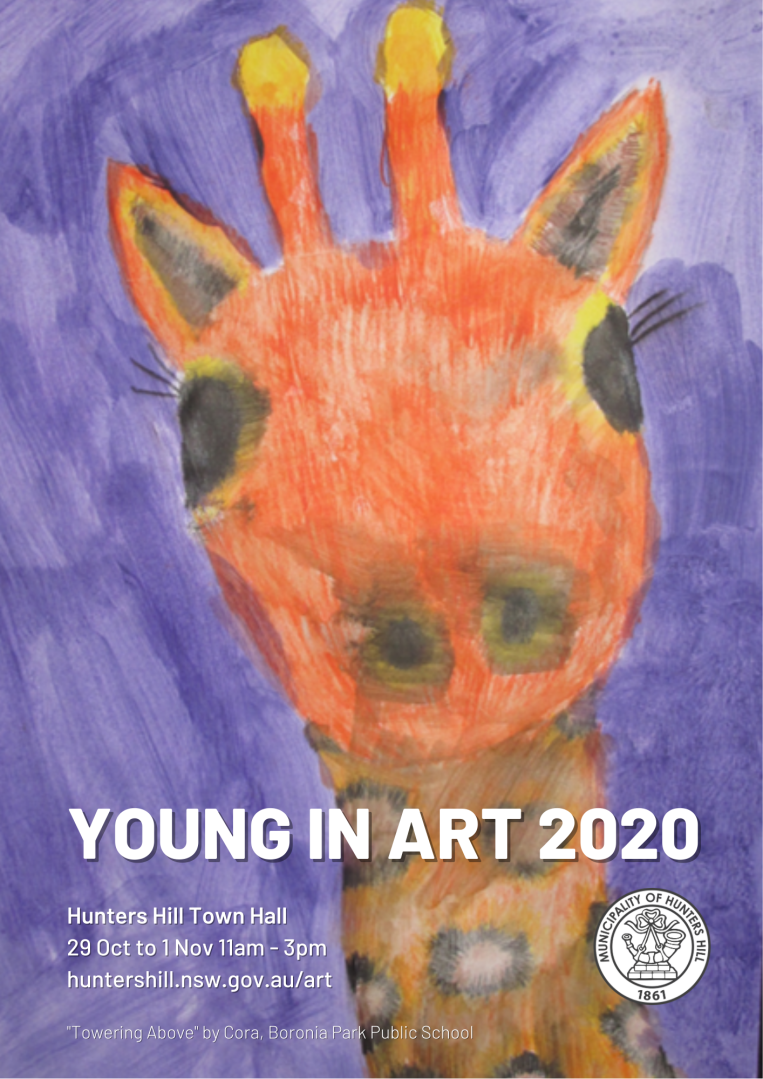
Young in Art 2020

Hunters Hill Council Art COVID-19 Safety Plan

Please refer to the attached Safety Plan Guidelines from Hunters Hill Council prior to visiting the Young in Art 2020 Exhibition.
Download

School Photos

MSP Photography has advised that the batch processing of all photos will take place shortly for delivery to the College. Thank you to everyone for their patience with the disrupted process this year. Appropriate arrangements will be made for delivery of photos to our Year 12 students.

Clothing Pool News

Now ONLINE through Flexischools

The Clothing Pool is now available ONLINE through Flexischools. Simply log into your account and select the Marist Sisters' College Shop - Clothing Pool Order tab on the home page. 

You will be directed to a page with all items available for sale, prices, payment method and delivery dates. Orders close each Wednesday at 4pm and items will be delivered to your daughter's classroom each Thursday. Should you miss the order cut off for the week your order will go into the next week's order cycle. 

If you do not already have an account with Flexischools simply go to www.flexischools.com.au and follow the steps to open an account.

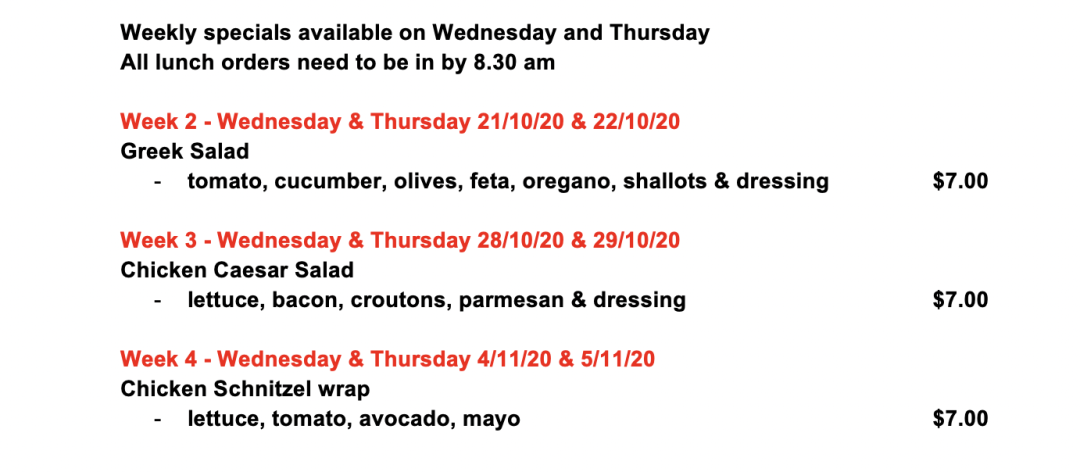
Canteen News